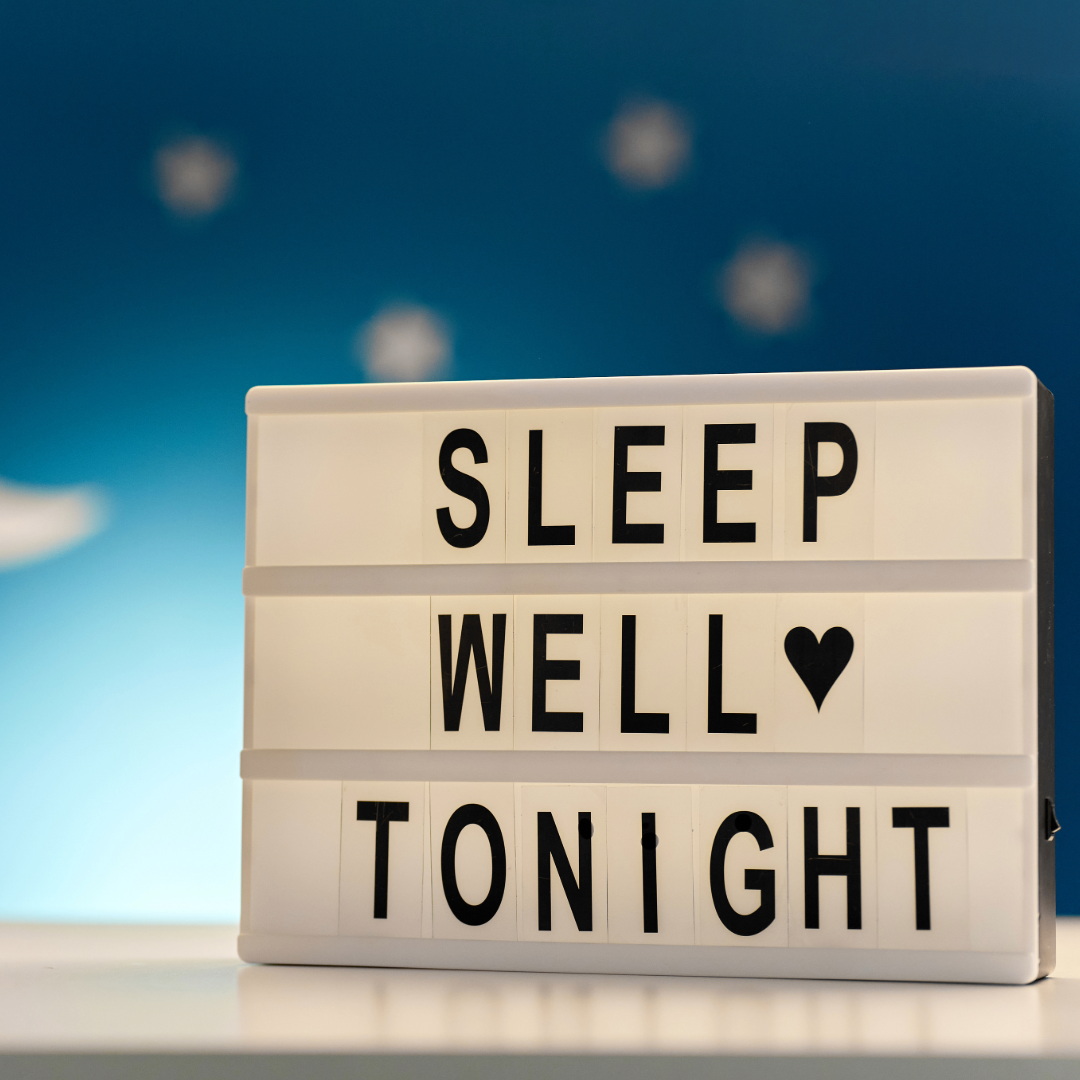


The Science of Sleep: Strategies for a Better Night’s Rest

A good night’s sleep is more valuable than ever in our non-stop world. Yet, many of us struggle to get the rest we need. Understanding the science behind sleep can empower us to adopt strategies that improve sleep quality and enhance our overall health and productivity. This article delves into the importance of sleep and outlines practical ways to foster better sleep habits.

Understanding Sleep

Sleep is a complex biological process critical to physical health, cognitive function, and emotional regulation. During sleep, our bodies undergo various processes, including muscle repair, memory consolidation, and the release of hormones regulating growth and appetite. The typical adult needs between 7 and 9 hours of sleep per night, but the quality of that sleep is just as important as the quantity.

The Sleep Cycle

Sleep consists of several cycles, each comprising different stages: Stage 1 (light sleep), Stage 2 (onset of proper sleep), and Stages 3 and 4 (deep sleep), followed by REM (rapid eye movement) sleep. Each stage has specific characteristics and functions, from physical restoration during deep sleep to memory consolidation and mood regulation during REM sleep.

Sleep Hygiene: The Foundation of Good Sleep

‘Sleep hygiene’ refers to the habits that can facilitate or impede our sleep quality. Good sleep hygiene involves creating an environment and routine that promotes consistent, uninterrupted sleep.

Consistent Sleep Schedule

Going to bed and waking up at the same time every day, even on weekends, helps regulate your body’s internal clock and improves your sleep quality.

Ideal Sleep Environment

Your bedroom should be conducive to sleep, so it should be calm, quiet, and dark. Invest in a good quality mattress and pillows to support a comfortable night’s sleep.

Wind-Down Routine

Establish a pre-sleep routine to signal your brain that it’s time to wind down. This might include reading, stretching, or practicing a relaxation technique like meditation.

Dietary Considerations for Better Sleep

What you eat and drink can significantly impact your sleep quality and duration.

Limit Caffeine and Nicotine

Both are stimulants that can keep you awake. Try to avoid consuming them at least four to six hours before bedtime.

Avoid Heavy Meals

Eating a large, heavy meal before bed can lead to discomfort and indigestion, disturbing your sleep. If you’re hungry at night, opt for a light snack.

Alcohol Moderation

Although alcohol may help you fall asleep, it disrupts REM sleep, which is often considered the most vital phase of the sleep cycle. It also becomes a stimulant as it wears off, making it difficult to fall back to sleep if you wake up in the night.

Leveraging Technology for Better Sleep

While technology often contributes to sleep disturbances, it can enhance your sleep quality when used wisely.

Sleep Apps

Apps like Sleep Cycle track your sleep patterns and wake you up during your lightest sleep phase, making mornings less groggy.

Blue Light Filters

Exposure to blue light emitted by screens can disrupt your natural sleep-wake cycles. Blue light filters on your devices in the evening can help mitigate this effect. However, it is best to avoid screen time before bed or if you wake in the night.  Opt for an old fashioned book instead.

The Role of Physical Activity

Regular physical activity can help you fall asleep faster and enjoy deeper sleep. Timing is critical, however; exercising too close to bedtime can leave you too energized to sleep.

Schedule Exercise Appropriately

To allow your body to wind down, try to finish any vigorous exercise at least three hours before you plan to retire.

Stress Management and Sleep

Stress and sleep have a bidirectional relationship; poor sleep can lead to increased anxiety and high stress can make it hard to fall asleep. Managing stress is thus crucial for improving sleep quality.

Relaxation Techniques

Practices such as yoga, meditation, and deep breathing exercises can reduce stress and create a peaceful mind conducive to sleep.

Cognitive Behavioral Therapy for Insomnia (CBT-I)

CBT-I is a structured program that helps you identify and replace thoughts and behaviors that cause or worsen sleep problems with habits that promote sound sleep.

Improving your sleep isn’t just about increasing the hours you spend in bed; it’s about enhancing the sleep quality you achieve each night. By understanding sleep science and employing strategies tailored to your lifestyle, you can enjoy the vast benefits of a good night’s rest. Start tonight by implementing one or two of these tips, and gradually incorporate more as you begin to feel the benefits.

Dr. Barbara R. Edwards practices at Penn Medicine Princeton Health in the Princeton Medical Center and is the Academic Director for their Ambulatory Residency Program.


The Restorative Power of Sleep: Its Impact on Health and Well-being

In the hustle and bustle of modern life, sleep is often the first sacrifice we make to meet the endless demands of our day-to-day responsibilities. Yet, the importance of sleep cannot be overstated; it is as crucial to our health and well-being as eating, hydrating, and breathing. This article explores the restorative power of sleep and its profound impact on our physical health, mental clarity, and overall quality of life.

Understanding Sleep

Sleep is a complex, essential biological process that fuels your body and mind, preparing you for the challenges of a new day. It plays a critical role in brain function, emotional well-being, and physical health, affecting everything from cognitive performance to immune function.

The Benefits of Quality Sleep

Enhanced Brain Function: Sleep is critical for cognitive processes such as memory consolidation, learning, decision-making, and creativity. A well-rested mind is more alert, focused, and capable of critical thinking.

Emotional and Mental Health: Adequate sleep helps regulate mood, reducing the risk of emotional disorders such as depression and anxiety. It is essential for emotional resilience and stress management.

Physical Health: Sleep is vital in repairing and restoring the heart and blood vessels. It is also involved in healing and repairing cells and tissues and supporting a healthy immune system. Adequate sleep also helps regulate hormone levels that control appetite, helping maintain a healthy weight.

Improved Performance and Safety: Well-rested individuals perform better in their daily activities, whether at work, school, or sports. Sleep deprivation, however, can lead to errors, accidents, and decreased productivity.

The Consequences of Sleep Deprivation

Chronic sleep deprivation is linked to a host of health problems, including cardiovascular disease, diabetes, obesity, and impaired immune function. It also affects mental health, leading to irritability, cognitive impairment, and an increased risk of psychiatric disorders.

Strategies for Better Sleep

Improving sleep quality and quantity can seem challenging, but several strategies can help:

Establish a Regular Sleep Schedule: Try to go to bed and wake up simultaneously every day, even on weekends. Consistency reinforces your body’s sleep-wake cycle.

Create a Restful Environment: Ensure your bedroom is quiet, dark, and at a comfortable temperature. Invest in a good mattress and pillows to support a restful night’s sleep.

Limit Exposure to Screens: The blue light emitted by phones, tablets, and computers can interfere with your ability to fall asleep. Try to avoid screens for at least an hour before bedtime.

Mindful Eating and Drinking: Avoid heavy or oversized meals within two hours of bedtime. Also, limit caffeine and alcohol intake, as they can disrupt sleep.

Relaxation Techniques: Incorporate relaxation techniques such as reading, taking a warm bath, or meditating before bed to help signal to your body that it’s time to wind down.

Physical Activity: Regular physical activity can help you fall asleep faster and enjoy deeper sleep. However, try not to exercise too close to bedtime, as it may interfere with sleep.

The Path to Restorative Sleep

Embarking to sleep better is a step toward a healthier, more vibrant life. It begins with valuing sleep as a critical component of your health regimen and making conscious choices to support restorative sleep.

The Role of a Sleep Diary

Keeping a sleep diary can be invaluable in understanding your sleep patterns and identifying areas for improvement. Note the time you went to bed, how long it took to fall asleep, the number of awakenings during the night, and how you felt upon waking. Over time, this record can reveal patterns and help tailor strategies to improve your sleep.

When to Seek Professional Help

If you’ve tried self-help strategies for improving your sleep but still struggle with insomnia, sleep apnea, or other sleep disorders, it may be time to see a sleep specialist. Professional evaluation and treatment can address underlying issues and guide you toward better sleep and improved health.

The restorative power of sleep is undeniable. It is foundational to physical health, mental clarity, and overall well-being. By prioritizing sleep and adopting habits that support restful nights, we can unlock our full potential and enhance every aspect of our lives. Let’s commit to giving our bodies and minds the rest they need to thrive, embracing sleep not as a luxury but as a pillar of a healthy, balanced lifestyle.

Dr. Barbara R. Edwards practices at Penn Medicine Princeton Health in the Penn Medicine Princeton Medical Center. She is the Academic Director for the Ambulatory Residency Program at Penn Medicine Princeton Health.

Healthy Valentine’s Day Snacks: Love Your Body While Celebrating Love

Valentine’s Day, often synonymous with chocolates, fine dining, and lavish desserts, can sometimes be challenging for those mindful of their health and nutrition. However, celebrating love doesn’t have to mean compromising on health. This article will explore creative and delicious ideas for healthy Valentine’s Day snacks that are satisfying and kind to your body.

Fruit and Chocolate Delights

Start with a classic duo – fruits and chocolate. But instead of the usual milk chocolate, opt for dark chocolate with a high cocoa content. It’s not just delicious; dark chocolate is also rich in antioxidants. Dip strawberries, banana slices, or orange segments in melted dark chocolate and let them cool. These treats offer the perfect blend of sweetness and health, providing vitamins and fiber from the fruits and the heart-healthy benefits of dark chocolate.

Heart-Shaped Veggie Platter

Vegetables may not scream romance, but a heart-shaped veggie platter can be a fun and healthy addition to your Valentine’s Day spread. Use cookie cutters to shape cucumbers, bell peppers, and carrots into hearts. Serve them with hummus or a Greek yogurt dip for a snack that’s not only nutritious but also visually appealing.

Nutty Love Bites

Nuts are an excellent source of healthy fats, proteins, and fiber. Create your nutty love bites by mixing almonds, walnuts, or pecans with a little honey and a sprinkle of cinnamon or cocoa powder. These small, energy-packed snacks are perfect for nibbling throughout the day and can be a healthy alternative to sugar-laden treats.

Healthy Homemade Granola Bars

Homemade granola bars can be a fun and healthy snack to prepare. Mix oats, nuts, seeds, and dried fruits and bind them with honey or maple syrup. Add a pinch of salt and vanilla extract for extra flavor. Bake until crispy, cut them into bars or hearts, and have a wholesome and satisfying snack.

Yogurt Parfaits with a Twist

Layer Greek yogurt with fresh berries and a sprinkle of homemade granola for a simple yet elegant Valentine’s treat. To add a festive touch, layer these ingredients in a clear glass and top with a drizzle of honey or a few dark chocolate shavings. Not only is this snack visually appealing, but it’s also packed with protein and antioxidants.

Savory Stuffed Peppers

For those who prefer savory over sweet, try mini stuffed peppers. Fill them with a mixture of quinoa, black beans, corn, and some cheese. They’re colorful and satisfying while balancing protein, fiber, and healthy fats.

Avocado Chocolate Mousse

Avocado in a dessert? Absolutely! Blend ripe avocados with cocoa powder, a sweetener, and a splash of vanilla extract to create a deliciously creamy chocolate mousse. It’s a nutrient-rich alternative to traditional mousse, offering the goodness of avocados, which are high in beneficial fats and fiber.

Zucchini Brownies

Lastly, try baking zucchini brownies for the chocolate lovers who can’t resist a good brownie. Grated zucchini adds moisture and a bit of nutrition to this beloved dessert, and when combined with whole wheat flour and reduced sugar, it becomes a healthier treat that still satisfies your sweet tooth.

Conclusion

Valentine’s Day doesn’t have to be a day of overindulgence in unhealthy foods. With a bit of creativity and some healthy ingredients, you can prepare delicious snacks. These ideas prove that you can celebrate love and your health simultaneously. Enjoy these treats with your loved ones and make this Valentine’s Day memorable and health-conscious.

Dr. Barbara R. Edwards is a practicing internist at Penn Medicine Princeton Health, also serving as the Academic Director for the Ambulatory Residency Program at the same institution.

Stress Management Techniques: Strategies for Reducing Daily Stress and Finding Balance

In today’s fast-paced world, juggling work and family life can feel like a high-wire act. Getting caught up in the whirlwind of deadlines, school pickups, and household chores is easy, leaving us feeling like stress is our constant companion. But fear not! With a dash of energy and a sprinkle of creativity, you can master the art of stress management and find harmony between your career and family.

Breathe In, Breathe Out, Energize!

Stress often sneaks up on us, making us feel stuck in a never-ending whirlwind. But you hold the power to break free. Take a deep breath, and imagine releasing all that tension as you exhale. Try practicing mindfulness and meditation, even if it’s just for a few minutes a day. These quick mental breaks can do wonders for your energy and focus.

Prioritize Like a Pro

Managing time effectively is the secret sauce to balancing work and family life. Start by making a to-do list and prioritizing tasks. Focus on what’s important and let go of the small stuff that can wait. This will help you allocate your time more efficiently and reduce the overwhelming feeling of being stretched too thin.

The Power of “No”

Don’t hesitate to say “no” when your plate is overflowing. Remember, declining additional responsibilities is okay if it means preserving your sanity and quality time with loved ones. Saying no is an act of self-care, not a sign of weakness.

Family First, Always

When balancing work and family, it’s essential to set boundaries. During your dedicated family time, be fully present. Put away your phone, shut down the laptop, and engage with your loved ones. Making these moments count will recharge your emotional batteries and strengthen your family bonds.

Energizing Exercise

Exercise isn’t just for sculpting muscles; it’s a powerful stress-buster. Find an activity you enjoy: a brisk walk, a dance class, or a basketball game with your kids. Physical activity releases endorphins, those feel-good hormones that help you stay energized and focused.

Seek Support

You’re not alone in your quest for work-family balance. Lean on your support network, whether it’s a partner, friend, or family member. Share your challenges and ask for help when needed. A little support can go a long way in reducing stress.

Embrace Laughter Therapy

Laughter truly is the best medicine! Make time for humor in your life. Whether watching a funny movie, playing silly games with your kids, or sharing a good joke with colleagues, laughter can boost your mood and energy.

Plan Energizing Breaks

Remember to schedule regular breaks during your workday. Even a short walk or a few stretching moments can recharge your mind and reduce stress. It’s a great way to clear your thoughts and return to tasks with renewed vigor. Remember, it’s okay to stumble occasionally – just get back up and keep moving forward. Embrace the journey, savor the moments, and make the most of your adventure of living!

Dr. Barbara R. Edwards, an internist, practices at Penn Medicine Princeton Health in the Princeton Medical Center. She is the Academic Director for the Ambulatory Residency Program at Penn Medicine Princeton Health.

Fad Diets Debunked: Separating Fact from Fiction in Weight Loss

Fad diets have become a staple in society’s fixation with quick weight loss. The allure of these diets often lies in their bold promises of rapid results and the backing of high-profile endorsements. However, the glittering veneer of these diets often masks an unsustainable and potentially harmful approach to nutrition.

The Risks of Fad Diets

Fad diets need a foundation in solid nutritional science. Many of these regimens recommend eliminating entire food groups or drastically cutting calories, which might yield immediate weight loss at the expense of long-term health and sustainability. Notably, these diets can result in nutrient deficiencies — for example, diets that exclude carbohydrates ignore the body’s need for this critical energy source. Moreover, severe calorie restriction can backfire, slowing metabolism and leading to muscle loss, which is counterproductive since muscle tissue is vital in maintaining a healthy metabolic rate.

Debunking Weight Loss Myths

One of the most pervasive myths is “spot reduction,” which suggests targeting fat loss in specific body areas. Fat loss follows a pattern influenced by genetics, and it’s not something we can dictate through diet or exercise alone.

Fad diets often overlook the complex factors contributing to weight gain, such as emotional eating, sedentary lifestyles, and metabolic variances. A holistic, sustainable weight loss strategy should include a balanced diet rich in nutrients, regular physical activity, and understanding one’s psychological relationship with food.

The Path to Sustainable Weight Management

Realistic weight management is not about finding a quick fix but adopting a balanced lifestyle tailored to individual needs. It’s about understanding that each person’s body is different, influenced by unique genetic and metabolic factors. Sustainable weight loss requires a commitment to nourishing the body with diverse foods, engaging in regular physical activity that you enjoy, and making adjustments that reflect personal health conditions and goals.

Evidence-Based Approach

Instead of chasing the empty promises of fad diets, we should focus on evidence-based nutritional guidelines. This involves consuming various fruits, vegetables, whole grains, lean proteins, and healthy fats. It also means understanding portion sizes and the importance of regular, balanced meals to maintain energy levels and metabolism.

Seeking Professional Guidance

Before embarking on a weight loss journey, it’s crucial to consult with a healthcare professional or a registered dietitian. They can provide personalized advice considering medical history, dietary preferences, and lifestyle. This professional guidance ensures that the chosen dietary approach is safe, nutritionally adequate, and effective for long-term health and wellness.

In conclusion, while the quick fixes promised by fad diets may seem enticing, they are not the solution for long-term health and weight management. As a dietitian, I advocate for an approach grounded in science and tailored to the individual, supporting a healthy weight and overall well-being. Sustainable change comes from a balanced diet, regular physical activity, and a commitment to self-care — not from the latest diet trend.

Dr. Barbara R. Edwards, Princeton Internist, practices at Penn Medicine Princeton Health in the Penn Medicine Princeton Medical Center. She is also the Academic Director for the Ambulatory Residency Program at Penn Medicine Princeton Health.