
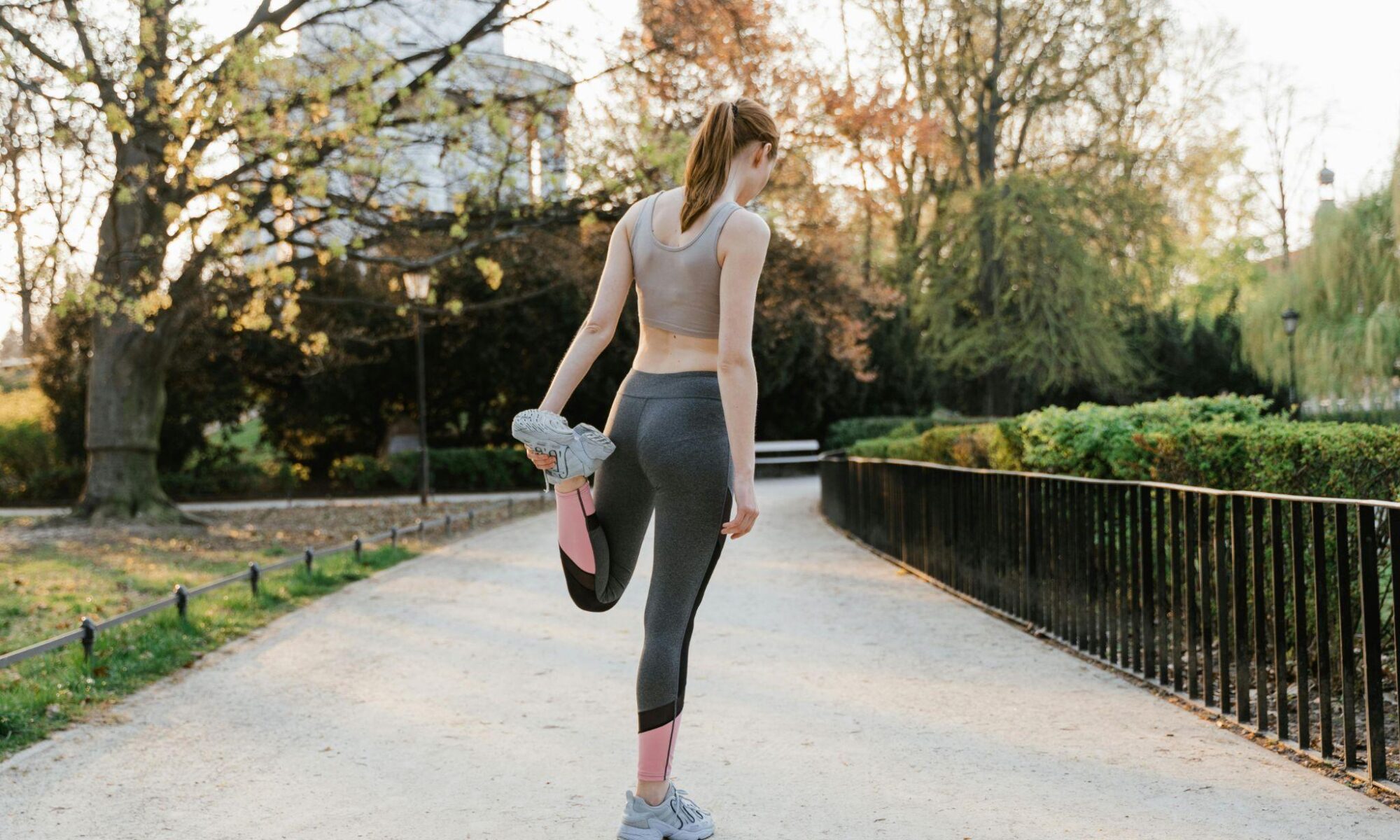
Spring is the best time to work out outside because the weather is getting warmer and the days are getting longer. You don’t need to join a gym or buy expensive equipment to get healthier. Your backyard, driveway, or neighborhood can be the perfect place to get stronger, last longer, and stay healthy overall.
Regular exercise is very important for keeping chronic diseases like heart disease, high blood pressure, diabetes, and obesity at bay. It also makes you feel better, gives you more energy, and helps you sleep better. Consistency is the most important thing, and making movement easy and available makes it easier to stick with.
Here are some safe and useful ways to get more exercise right outside your door.
Start by walking
Walking is still one of the best and most long-lasting ways to get exercise.
It helps your heart health, keeps your joints moving, and is safe for most fitness levels. A quick 20 to 30 minute walk around your neighborhood can:
• Make your heart healthier
• Make blood flow better• Lower your stress
• Help with weight control
Start at a comfortable pace and slowly speed up or go farther as you get used to it.
Do exercises with your own body weight
Your own body is a great way to resist. Doing simple movements over and over again can make you stronger and help you keep your balance.
Think about adding:
• Squats
• Lunges
• Push-ups that are either modified or standard
• Planks
• Step-ups on stairs or a strong platform
You don’t need any equipment for these exercises, and you can change them to fit your level of fitness. To start, aim for short sessions of 10 to 20 minutes, and focus on doing the exercises correctly instead of quickly.
Make Yard Work a Workout
Taking care of your yard in the spring can also be a good way to get some exercise.
Raking leaves, planting flowers, mowing the lawn, and pulling weeds all work out different muscle groups. Gardening is a great way to get outside, which is good for your mental health. It also makes you more flexible and strong.
Pay attention to your posture and don’t work too hard, especially if you haven’t been very active during the winter.
Include light cardio options
If you want to get your heart rate up, think about:
• Riding your bike around your neighborhood
• Sessions for jumping rope
• Short bursts of jogging• Climbing stairs outside
Cardiovascular exercise makes the heart and lungs stronger and helps you last longer. Even short bursts of activity during the day can help you get healthier in a big way.
Pay attention to balance and flexibility
Strength and endurance aren’t the only things that matter when you move. As we get older, it’s especially important to be flexible and balanced.
Include:
• Light stretching after walks
• Yoga outside
• Exercises that help you keep your balance, like standing on one foot
These habits help keep you from getting hurt and keep you moving for a long time.
First, safety.
If you have health problems, you should talk to your primary care provider before you start doing more physical activity.
Remember these things:
• Drink enough water
• Wear shoes that support you
• Get your body ready for exercise
• If you feel chest pain, dizziness, or shortness of breath that is not normal, stop.
It’s important to move forward slowly. Strains or overuse injuries can happen when you suddenly do more than you normally do.
The Bigger Picture: Why Movement Is Important
Almost every system in the body works better when you exercise regularly. It helps keep blood pressure in check, control blood sugar levels, make bones stronger, and make your mind clearer.
It encourages people to take charge of their health, which is probably the most important thing. Over time, small, regular efforts, like taking a walk every day or doing a short strength routine, add up.
Spring is a time for new beginnings. Also, remember that you don’t need to follow complicated routines or pay for expensive memberships to get healthier. The best place to work out might be right outside your back door.
You are investing in your long-term health by choosing simple, sustainable movement, one workout in your backyard at a time.
Dr. Barbara R. Edwards is an experienced Penn Medicine Princeton Health internist who has practiced medicine for over 25 years. She is also the academic director of the Ambulatory Residency Program at Penn Medicine Princeton Health.