There is a reason why high blood pressure, also known as hypertension, is called the “silent killer.” It may not show clear signs of damage until it has done a lot of damage, unlike many other health problems. But knowing the small signs and risk factors can save your life. High blood pressure can lead to heart disease, stroke, kidney damage, and other serious health problems if it isn’t treated. Recognizing the warning signs early can help you take charge of your health before problems start.
Why Having High Blood Pressure Is Bad
Blood pressure is the amount of force that blood pushes against the walls of your arteries. When this pressure stays high all the time, it makes your heart and blood vessels work harder, which over time causes them to wear out. This can hurt organs like the brain, heart, and kidneys over time. A lot of people don’t know they have high blood pressure until they have a serious health problem, like a heart attack or stroke, because it doesn’t always have clear symptoms.
Signs You Should Look Out For
A lot of the time, people with high blood pressure don’t have any symptoms. However, there are some signs that your blood pressure may be higher than normal. Knowing these warning signs can lead to early testing and changes in your way of life.
1. Headaches, especially in the morning
Headaches that happen a lot or last a long time, especially in the morning and around the back of the head, can be a sign of high blood pressure. Headaches are common and can happen for a lot of different reasons. However, if you have headaches every morning along with other symptoms, you may need to get your blood pressure checked.
2. Trouble breathing
Hypertension may be the cause of shortness of breath in normal activities and/or light exercise. High blood pressure can make your heart work harder, leading to a less efficient blood output. This can make even easy tasks seem more difficult and tiring.
3. Nosebleeds
Nosebleeds can happen from time to time and are not usually too serious, but nosebleeds that occur often or for no apparent reason could mean that your blood pressure may be too high. Not everyone with high blood pressure has this symptom, but it could mean that your blood vessels are under some stress.
4. Feeling dizzy or lightheaded
If you feel dizzy, lightheaded, or have episodes of imbalance, it could be because high blood pressure is affecting the blood flow to your brain. You should never ignore persistent dizziness; it could be an early sign that you need to check your blood pressure.
5. Changes in Vision
High blood pressure can irritate blood vessels in the eyes, which can cause spots or blurry vision. If you don’t treat your high blood pressure, it could cause more serious eye problems long term–such as hypertensive retinopathy–which can make you lose your vision. Regular eye exams can help find these changes early on.
6. Chest pain or a fast heartbeat
Chest pain is more often linked to heart disease, but it can also mean that high blood pressure is putting too much stress on your heart. Heart palpitations, or the feeling of an irregular or racing heartbeat, is also a common sign of stress on the heart and blood vessels caused by high blood pressure.
Things That Make You More Likely to Get Sick
Some things can make it more likely that you will get high blood pressure, such as:
Age: After age 40, the risk goes up even more.
Family History: If your family has a history of high blood pressure, your chances go up.
Diet: Eating a lot of processed foods, salt, and saturated fat can raise blood pressure.
Weight: Being overweight or obese makes the heart work harder.
Not moving around enough: Not moving around enough can raise blood pressure.
Stress: Long-term stress can raise blood pressure for a short time or for good.
Both smoking and drinking can hurt blood vessels and raise blood pressure.
Knowing what puts you at risk can help you take steps to stop high blood pressure from doing serious damage.
How to Keep Yourself Safe
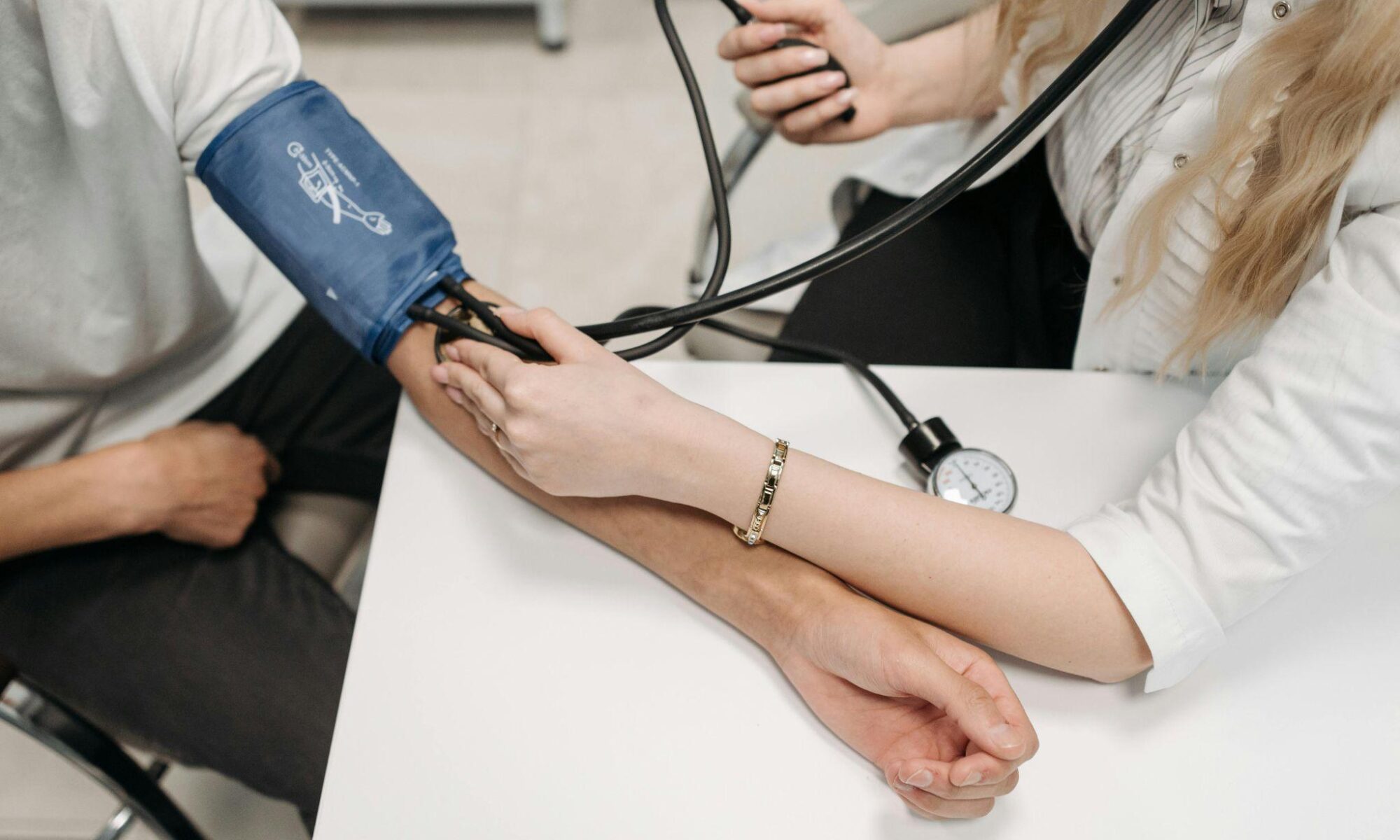
Monitoring your blood pressure regularly is very important because it can be high without any symptoms. Adults should get their blood pressure checked at least once a year, and more often if they are at risk. Finding something early on lets you make changes to your lifestyle, take medicine, or do both right away.
Changes to Your Lifestyle That Matter
Eat a Healthy Diet: Focus on whole grains, fruits, vegetables, and lean proteins, and cut back on salt and processed foods.
Get some exercise every day. Try to do at least 30 minutes of moderate physical activity most days of the week.
Keep your weight in check: Even losing a little weight can lower your blood pressure a lot.
Limiting alcohol and staying away from tobacco will have a direct effect on blood pressure and heart health.
Manage Stress: Activities such as yoga, deep breathing, and meditation all can aid in lowering your blood pressure.
When to Get Medical Help
If you have any of the subtle signs listed above, such as frequent headaches, changes in vision, dizziness, chest pain, or nosebleeds, you should see a doctor right away. These symptoms do not always mean you have high blood pressure; however, a full evaluation can rule out serious conditions while helping you take steps to avoid them.
The Bottom Line
High blood pressure is often quiet, but it doesn’t have to be dangerous if you catch it early. To protect your health, pay attention to the small changes, know your risk factors, and get your blood pressure checked regularly. There are small changes you can make to your lifestyle to greatly lower your risk of complications and help you live a longer, healthier life.
If you’re experiencing any symptoms, do not wait until they get worse– act today to keep an eye on your blood pressure and protect your future. Eating a healthy diet, staying active, and managing your stress can keep your blood pressure in a healthy range while only making small changes to your daily life.
Dr. Barbara R. Edwards, a practicing internist at Penn Medicine Princeton Health, has over two decades of expertise in healthcare. As the Academic Director for the Ambulatory Residency Program, she is dedicated to fostering comprehensive, patient-centered care.