
With so many complicated diets, strict food rules, and nutrition trends that change all the time, it can be hard to know what “healthy eating” really means. A lot of people think that they need to completely change their lives in order to eat better, but the truth is that small, lasting changes can lead to big changes. You don’t need to be perfect, buy expensive supplements, or follow a strict plan. You need to make small, consistent choices that help your body every day.
This is how a simpler way of eating can help you get results that last.
First things first: stay hydrated.
Before you think about what to eat, think about what to drink. Staying hydrated helps with digestion, energy levels, skin health, and even controlling your appetite. A lot of people mistake thirst for hunger, which can make them snack when they don’t need to.
Start with a simple habit:
-
- Drink one full glass of water first thing in the morning and then keep drinking throughout the day.
- Add lemon, cucumber slices, or berries to plain water to make it more interesting.
Don’t think about what you can’t do; think about what you can do.
When it comes to cutting foods out, nutrition can be stressful. Instead, change your mind to include healthy foods.
Try adding:
-
- One serving of vegetables or fruits with every meal
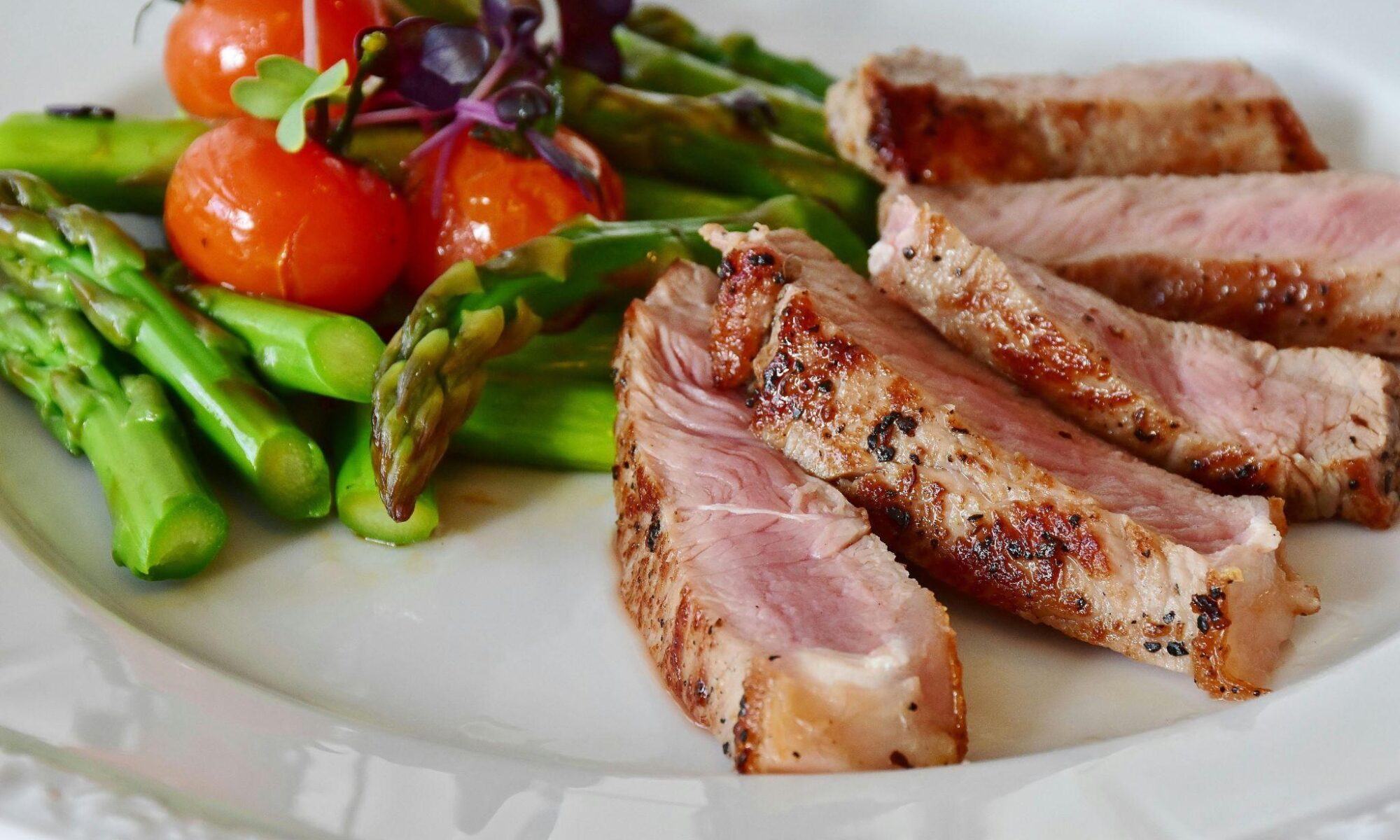
- A source of lean protein, like fish, eggs, beans, or chicken
- Nuts, seeds, olive oil, and avocado are all good fats.
When you fill your plate with foods that are high in nutrients, you naturally push out foods that aren’t as good for you, and you don’t feel deprived.
Use the “Half-Plate Rule” to Make Your Plate Easier
Making a balanced meal doesn’t have to be hard. The “half-plate rule” is one of the easiest guides.
Imagine that your plate is split into two parts:
-
- Half full of fruits or vegetables
- One-fourth with lean protein
- One-fourth of the food should be whole grains or complex carbs.
This visual method takes the guesswork out of portion sizes and makes sure that the nutrients are balanced.
Pick whole foods instead of processed ones.
Processed foods are easy to get, but they often have extra sugars, sodium, and preservatives that aren’t good for your health in the long run. You don’t have to cut them out completely; just eat whole foods more often.
Small changes can have a big impact:
-
- Fruit instead of snacks in a bag
- Use whole grains instead of refined grains.
- Instead of processed meats, eat fresh lean meats.
- Instead of chips, nuts
Every little “whole food choice” adds up over time.
Eat with awareness
It’s easy to eat on autopilot these days, whether you’re in the car, at your desk, or watching TV. Taking it easy and paying attention to your body can help with digestion, satisfaction, and recognizing real hunger signals.
To eat mindfully:
-
- When you can, sit down to eat.
- Cut down on distractions
- Make sure to chew your food well
- Stop eating halfway through and ask yourself: Are you still hungry, or are you just doing it out of habit?
This one habit can help you eat less and enjoy food more.
Plan Ahead—But Don’t Spend Hours Preparing Meals
When we’re not ready, nutrition goes wrong. You don’t have to spend the whole day on Sunday getting ready for a meal, but a few small planning steps can help you avoid making rushed decisions later.
Try making or keeping on hand:
-
- Fruits or vegetables that have been washed and cut
- Proteins that have already been cooked, like grilled chicken or turkey
- Grains that cook quickly, like quinoa or rice
- Nuts or Greek yogurt are examples of healthy snacks.
You could call it “nutrition convenience.” The easier it is to get healthy foods, the more likely you are to eat them.
Make little changes that add up to big results.
You can make big improvements to your diet with just a few simple changes:
-
- Instead of sugary drinks, try flavored sparkling water.
- Choose whole grain bread over white bread.
- When you cook, use olive oil instead of butter.
- Put more vegetables in soups, sauces, and omelets.
- Make one meal at home instead of going out to eat once a week.
These changes don’t take much work, but they make a big difference in your energy and overall health.
Moving forward instead of being perfect
Eating healthy doesn’t happen all at once. Some days will feel like everything is in order, while others will be busy and not quite right. That’s normal. Not being perfect is what matters.
Nutrition becomes less about limiting yourself and more about helping your body in a realistic and enjoyable way when you focus on small, doable steps.
You don’t have to make big changes to your life to get healthier. You just have to make small choices every day that will help you stay healthy for a long time. Pick one or two habits to start with, stick with them, and let your progress happen on its own.
Dr. Barbara R. Edwards is an experienced Penn Medicine Princeton Health internist who has practiced medicine for over 25 years. She is also the academic director of the Ambulatory Residency Program at Penn Medicine Princeton Health.