

Working Out with a Bad Back

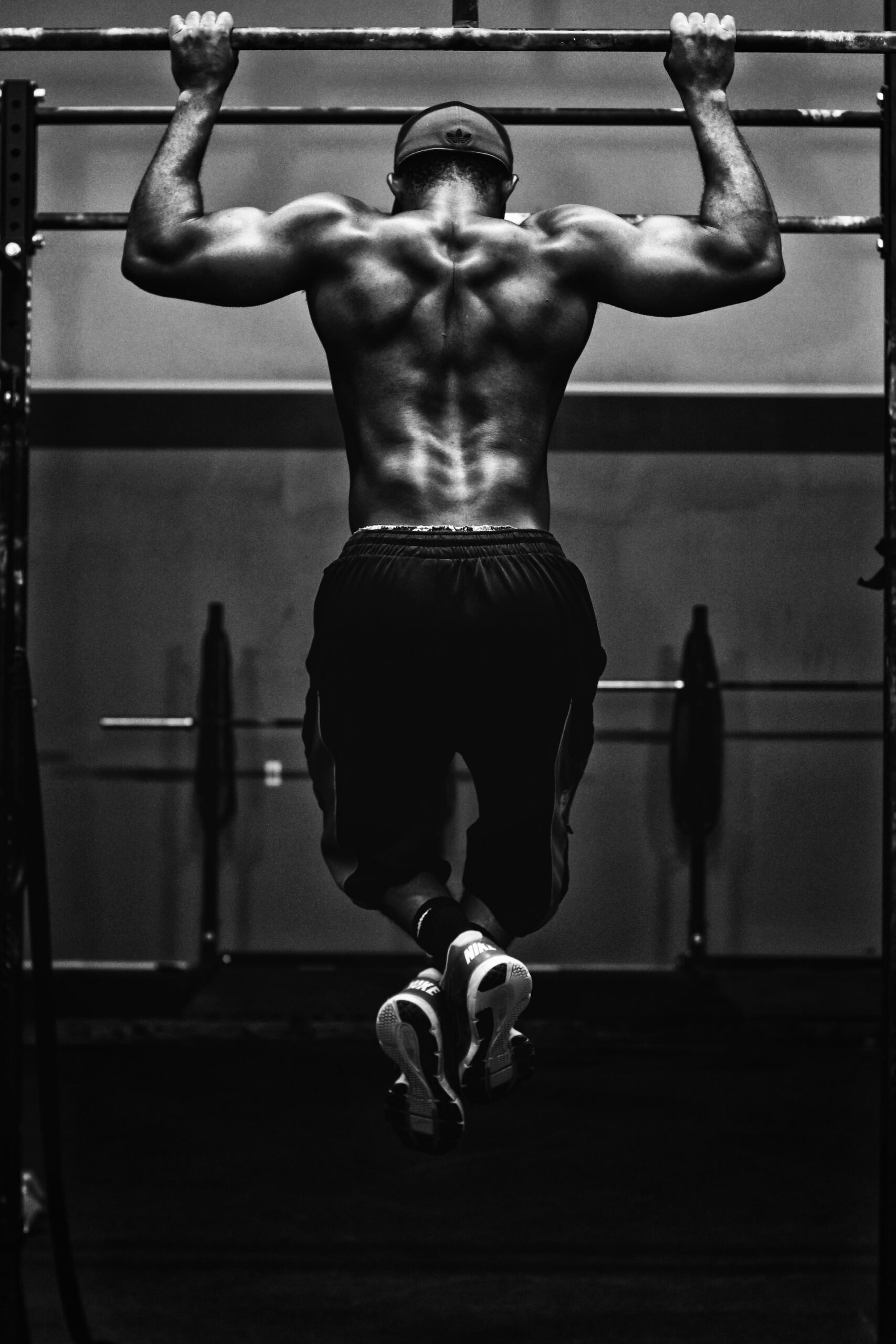
Sometimes when you are on your feet for too long or sleep on an old uncomfortable bed, you may wake up with some minor back pain. As we age, it’s not uncommon to consider yourself someone who has a “bad back”. Between spasms, slipped discs, muscle soreness, or “throwing out” your back, back pain is one of the most common complaints of ageing. If you feel back pain frequently, do not allow it to get in the way of your daily workout—movement and resistance are essential to maintaining resilient muscles and bones. Here are some workouts that you can do even with a bad back.

Swimming

Working out with back pain may be nerve wracking especially when you are worried you might make the pain worse. That is why you need to change up your exercise routine with something that puts less strain on your back. Swimming on days when your back is bothering you can help because this is a low-impact workout. High impact workouts that people are familiar with like running will exacerbate the pain. If your back pain is the result of an overuse injury, it is especially important to change your routine and consider swimming instead.

Yoga

Yoga is quite a flexible exercise to do—no pun intended. Since you know your limitations, you are able to work around your back pain. If you are working with an instructor, they will be able to adapt the session for you to be able to participate safely. Another way you can help your back is by using an exercise ball in your yoga session. This equipment is softer on your back which could reduce the pain.

Stretch

It is always important to stretch before and after a workout and on your active rest days from your workouts. Stretching often can help alleviate your back pain as well as strengthen your back muscles to keep it from occurring (not including back muscles being sore). If you skip the stretching part of your workout routine, this can lead to injury and excessive back pain.

When you are suffering from back pain, don’t let it determine your whole day or stop you from being active. There are plenty of alternative ways you can be active without having to worry about injuring your back further. Try some of these even if you don’t have back pain for something different!

Dr. Barbara R. Edwards, Princeton Internist, practices at Penn Medicine Princeton Health in the Penn Medicine Princeton Medical Center. She is also the Academic Director for the Ambulatory Residency Program at Penn Medicine Princeton Health.

Benefits of Pilates

There are plenty of different kinds of classes you can find at your local gym. Between yoga, zumba, aerobics and more, you are bound to find one you like. Recently, Pilates has become a popular exercise methodology for folks working out both at the gym and at home. If you have hesitations about taking a pilates class, read on for some benefits that could give you some motivation. 

Tension Release

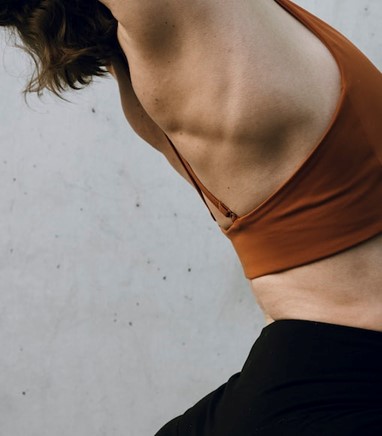
Facing back pain day in and day out can become distracting and uncomfortable. There are many reasons why people may experience this excruciating pain, but by taking part in a pilates class, you may find relief. Pilates builds and works on your core strength which has many positives as it serves as your body’s stabilizer. With a stronger core you will develop better posture which helps against the stress cumulative towards your lower back. It will also help you move your body more freely. 

Low Impact Exercise

Taking part in a low impact exercise means that it is great for everyone. Low impact exercise is defined by how easy it is on muscles and joints. With a workout like this you will not be running or jumping, but still working on your muscles and strengthening them, while working up a sweat. So, you can do a pilates workout at home, or in an apartment without having to worry about bothering others.

Decreases Stress

Working out in general is a great way to release some stress you may be feeling. Pilates takes it a step further by making sure you are in tune with your breathing. Regulating your breathing is essential for mindful exercise for methods such as yoga, barre and pilates. It centers your body and mind and brings you to the present while working out the stress you may be feeling. Take notice of your mood before and after you finish because pilates can also help improve your overall mood. 

Pilates is becoming a trend that a lot of people are starting to take part in. Whether you want to take an in-person pilates class or follow a routine online there is minimal equipment needed so you will be able to get started right away. Overall your body will thank you in ways you may not even realize. 

Dr. Barbara R. Edwards, Princeton Internist, practices at Penn Medicine Princeton Health in the Penn Medicine Princeton Medical Center. She is also the Academic Director for the Ambulatory Residency Program at Penn Medicine Princeton Health.
Why You Should Stretch After Working Out

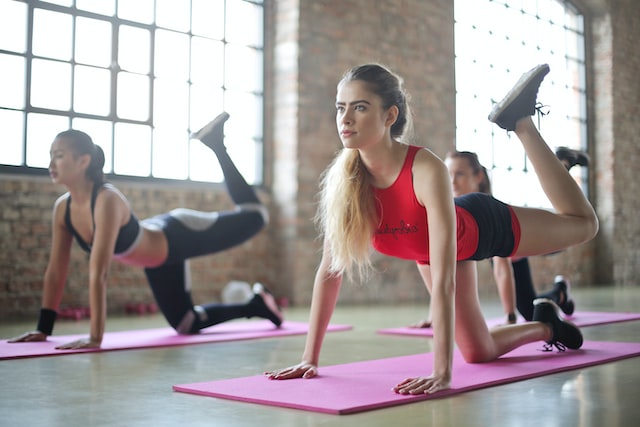
The physical and mental health benefits of working out cannot be overstated—exercise is vital to living a long, healthy life. Besides exercising, there are certain items before and after a workout that should be included in the routine, such as stretching. While some may think stretching is optional, it is highly recommended as it can provide even more benefits to a workout routine. Here are some benefits to stretching after a workout:

Increased Flexibility

Flexibility is perhaps one of the most important parts of stretching after exercising. It helps bring muscles back to their resting state to make them less stiff and more flexible. Doing this can prevent injury afterward and can improve muscle soreness. What’s also great about this is that there are countless stretches one can do for different muscles and body parts depending on the routine.

Blood Circulation Improvement

Naturally, blood is pumped faster to the heart during strenuous workouts. Stretching post-workout lets the body cool off while returning the heart to its normal state and normal beat rate. Improved blood circulation allows muscles to repair and recover to prevent soreness and other kinds of injury.

Increased Energy

While working out by itself does the job of increasing energy levels, stretching afterwards does so, too. As the body is cooling off, endorphins, known as“happy” chemicals, are released from the brain. Stretching aids in cooling the body down and therefore promotes endorphin production post-workout.

Dr. Barbara R. Edwards, Princeton Internist, practices at Penn Medicine Princeton Health in the Penn Medicine Princeton Medical Center. She is also the Academic Director for the Ambulatory Residency Program at Penn Medicine Princeton Health.

Five Outdoor Fall Activities

With fall in full swing it can be harder for some to spend some time outside as the weather cools. So here are some of the most popular fall activities you can partake in all while being outside and enjoying the beautiful scenes before all the leaves fall off the trees. 

Make a Scarecrow 

This activity is a little different. For those who are looking to do something out of the ordinary, try making a scarecrow with some friends or loved ones. Just grab some of the leaves in your yard that have fallen and stuff an old flannel shirt you have around the house, or that you can find at a local thrift store. This helps clean your yard, clean your closet and get you outside! 

Hiking

Fall is the perfect time to go out for a hike. There is less humidity than in the summer, and it is not as cold as the winter. If you are someone who loves hiking try going on one you’ve been on before and see how different it is when you go while the leaves are changing their colors. It could be like seeing a completely new place. 

Pinecone Art

Allow the season to inspire you creatively by using nature to create art. Between leaves and pinecones falling off the tree, there is so much you can do with these materials. Grab some friends and spend some time outside gathering your materials before you all sit down and see what you can create. 

Corn Maze 

If you are someone who wants a challenge, trying out a corn maze can get your brain working. Lots of farms capitalize on the season by creating a maze for people to wander through. Try and see how fast you and your group can get through it. Or challenge others to see who can get through it first! 

Pumpkin and Apple Picking

You can’t have a fall activity list without these two. These traditions have been around for centuries. Spending a fall afternoon picking out apples and pumpkins can help keep you busy even after you get home! All the time you spend walking through trying to find the perfect apples or pumpkin will cancel out any pies you plan on making! 

Dr. Barbara R. Edwards, Princeton Internist, practices at Penn Medicine Princeton Health in the Penn Medicine Princeton Medical Center. She is also the Academic Director for the Ambulatory Residency Program at Penn Medicine Princeton Health.

The Dos and Don’ts of Working Out in the Humidity

There are lots of simple pleasures in life when the weather is warm enough to spend time in the great outdoors. One of those pleasures is working out outside. In the summer this can be a little difficult in the northeast, especially when the humidity is high. So when you want to take advantage of the warm weather, read on for some tips and things to avoid when humidity is almost insufferable. 

Do: Increase Intensity Slowly 

Similar to how you always want to start your workout with a warm up, you want to start in the humidity at lower intensity. The human body needs time to adjust to the heat, so if you work out at 110% right away, this can exhaust your body quicker, and you won’t get as much out of yourself as you exercise. 

Don’t: Wear Layers

Some people believe that layering when working out helps because you sweat more. While there is some truth in this idea, this does not stand true in the humidity. You will already be sweating enough that loose and light clothes are more appropriate. The last thing you want to do is pass out because of how you’ve dressed for your workout.

Do: Hydrate Properly 

Before heading outside, remember to properly hydrate your body well before the workout. This can help you regulate your body temperature. Remember to hydrate regularly throughout the workout so that your body is able to replenish the fluids it is losing while you are sweating. Having a sports drink on hand is also helpful to replace electrolytes lost as you sweat. 

Don’t: Ignore Your Body 

Working out can lead to fatigue and sore muscles, this is a given. Though if you are new to physical activity or you feel your body is reacting differently than normal, you may need to take a break. There are many heat related conditions like heat stroke and exhaustion that’ll cut your workout short, so if something your body is trying to tell you something, listen! 

When the weather is nice enough to workout outside, take every opportunity to do it. A gym workout, however nice your gym may be, can never compete with the serene feeling of being in nature. When you want to take advantage, make sure you know the way to workout during humid days safely. 

Dr. Barbara R. Edwards, Princeton Internist, practices at Penn Medicine Princeton Health in the Penn Medicine Princeton Medical Center. She is also the Academic Director for the Ambulatory Residency Program at Penn Medicine Princeton Health.