

The Healing Power of Nature: Exploring the Benefits of Outdoor Activities

In our fast-paced, technology-driven world, it’s easy to forget the soothing embrace of nature. Yet, the healing power of the great outdoors is undeniable. A stroll through the woods, a dip in a tranquil lake, or simply basking in the sun’s warmth can work wonders for our physical and mental well-being. Let’s delve into the myriad benefits of outdoor activities and how they contribute to our overall health.

Benefits

Nature provides a break from the hustle and bustle of urban life. This creates a sanctuary of peace and tranquility, allowing us to escape the stresses often accompanying modern living. Being outdoors, away from the clamor of screens and notifications, can instantly calm our minds and reduce anxiety. Outdoor activities encourage physical exercise, vital for maintaining a healthy body. Hiking, biking, swimming, and even leisurely walks in the park all contribute to improved cardiovascular health, enhanced strength, and a boost in our immune system. Nature provides the perfect backdrop for these activities, making them more enjoyable. Mental health benefits are equally impressive. Studies have shown that spending time in nature can alleviate symptoms of depression and anxiety. The serene beauty of natural landscapes fosters mindfulness and a sense of connection to the world, leading to increased happiness and well-being.

The healing power of nature is undeniable. It offers a much-needed escape from the demands of modern life, encourages physical activity, and provides a balm for our mental well-being. Next time you feel overwhelmed or need rejuvenation, consider stepping outside and immersing yourself in the healing embrace of the great outdoors.

Dr. Barbara R. Edwards, an internist based in Princeton, serves at the Penn Medicine Princeton Medical Center under the Penn Medicine Princeton Health umbrella. Beyond her clinical duties, she is instrumental as the Academic Director for the Ambulatory Residency Program at Penn Medicine Princeton Health.

7 Simple Outdoor Exercises

Taking your workout outdoors can inject new zest into your fitness routine. While indoor workouts at the gym or home have their benefits, primarily due to the available equipment, many effective exercises don’t require any equipment. You only need your body, a dash of imagination, and a willingness to embrace nature. Engaging in outdoor exercises can be equally as rewarding as indoor workouts, plus you get the added advantage of spending quality time in the open air. Just remember to consult a healthcare provider before starting any new exercise regimen.

Park Bench Dip

The first exercise only requires a park bench or any sturdy platform of similar height. This exercise targets the shoulders, triceps, and core, providing a solid upper-body workout. Perform 15 repetitions in sets or incorporate them into a circuit for a comprehensive session.

Tightrope Walk

While this exercise is named after the daring act, you don’t need an actual tightrope. Instead, find a stable curb or fallen tree as your “tightrope.” Walking along such thin paths can help engage your core, calves, and quads, improving your balance and coordination.

Hanging Crunch

If you want to work on your abs, a hanging crunch could be just what you need. You can use monkey bars, sturdy tree branches, or reliable overhead support. Ensure it’s robust enough to support your weight, hang on, and move your legs in various directions to engage different parts of your abdominals.

Step-Up Kick Cycle

This versatile exercise targets the hamstrings, glutes, and quads. You don’t need gym equipment for this one, either. A log, a flat rock, or even an outdoor stair step can serve as your platform. The movement involves stepping up and down, alternating feet, and incorporating kicks in three directions: side, diagonal, and back.

Hill Sprints

This cardio-intensive exercise works best on sloping outdoor terrain. Sprinting uphill helps engage your leg muscles, core, and lungs. It’s a high-intensity workout that boosts both your aerobic and anaerobic fitness.

Lunge Walk

Lunge walks provide a powerful workout for your lower body, particularly your quads, glutes, and hamstrings. You can perform this exercise in a spacious park or even on a sidewalk. Simply perform lunges while moving forward, keeping your upper body straight, and ensure your knee doesn’t extend past your toes.

Outdoor Yoga

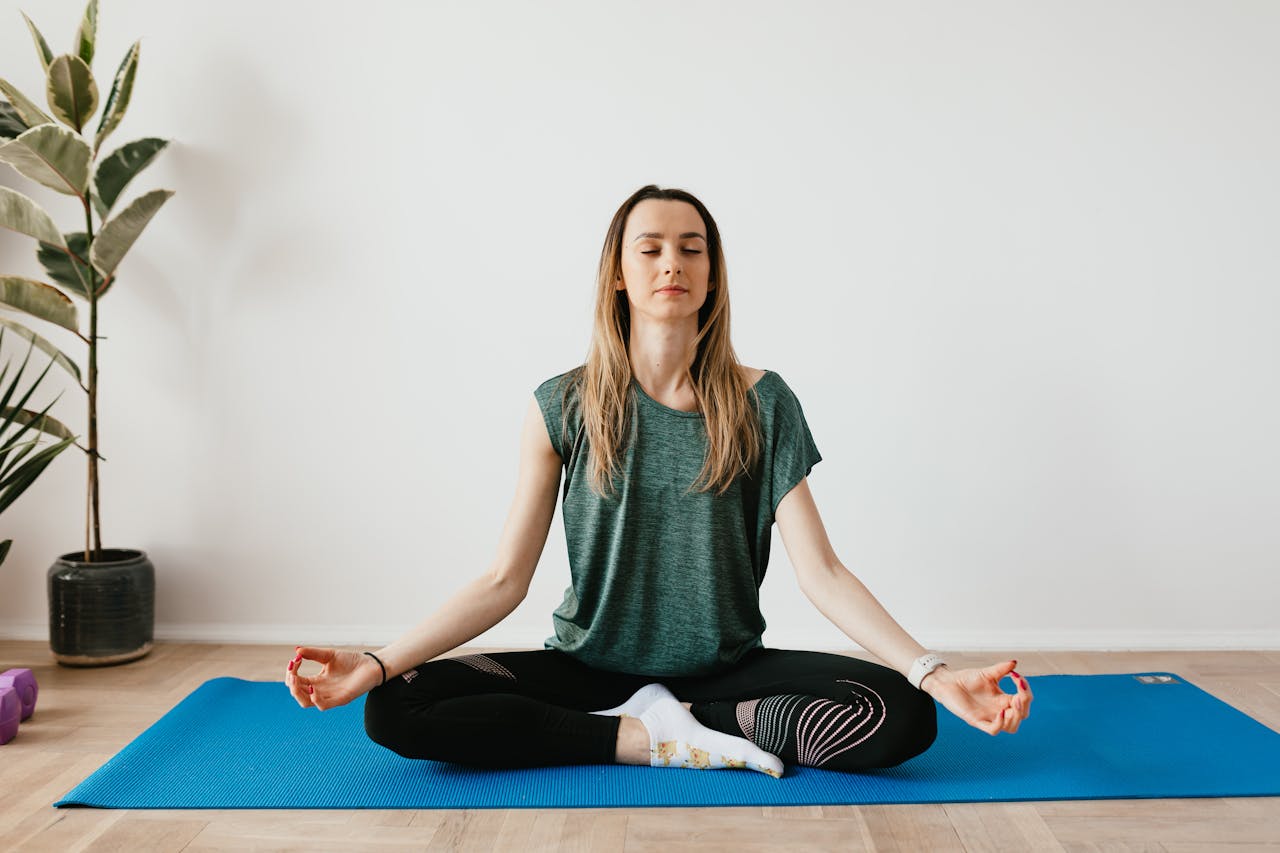
Finally, consider doing a yoga sequence in a calm, quiet spot. The blend of strength, flexibility, and mindfulness that yoga offers can be a fantastic addition to your workout, especially amidst nature.

Dr. Barbara R. Edwards, a Princeton Internist, practices at Penn Medicine Princeton Health in the Penn Medicine Princeton Medical Center. She also serves as the Academic Director for the Ambulatory Residency Program at Penn Medicine Princeton Health.

Explaining Your Resting and Target Heart Rate

Your heart rate is a window into your well-being, and maintaining a steady rhythm is crucial. A balanced heart rate indicates good overall health, while irregularities may signify underlying issues. By understanding your resting heart rate (RHR) and target heart rate (THR), you can take charge of your cardiovascular health and improve vitality.

Resting Heart Rate (RHR)

Your RHR reflects the number of times your heart beats per minute when you’re completely at rest. Monitoring your RHR provides valuable insights into your fitness level and can serve as an early warning system for potential health concerns. Regularly checking your RHR helps track the impact of your exercise routine and guides you toward areas of improvement or necessary adjustments.

Interpreting your RHR can be challenging since it tends to decrease as your heart becomes stronger through aerobic exercise. Individuals who exercise regularly often enjoy a lower RHR, indicating a healthier, more robust, and more efficient heart. Conversely, individuals who don’t engage in regular physical activity may experience bradycardia, which can cause concern. A normal RHR for adults falls between 60 and 100 beats per minute (bpm), with higher values potentially signaling health issues. It’s important to consider that RHR may differ based on gender, as women generally have lower blood volume, leading to a slightly higher RHR.

Target Heart Rate (THR)

While RHR is an objective measurement, your THR represents the ideal heart rate range you aim to achieve during exercise or intense physical activity. You can effectively monitor and optimize your workout sessions by setting a target rate.

Typically expressed as a percentage (between 50-85%) of your maximum heart rate, determining your target heart rate is relatively straightforward. Start by calculating your maximum heart rate, estimated by subtracting your age from 220. For instance, a 40-year-old male would have a maximum heart rate of 180 bpm. At an exertion level of 50%, their target heart rate would be 90 bpm, while at 85%, it would be 153 bpm. Fitness trackers can conveniently provide real-time target heart rate data to simplify the process.

Embrace the power of your heart rate and embark on a journey toward better health and fitness. With this knowledge, you can fine-tune your exercise routine to unlock your full potential. Let your heart rate be your guide to a vibrant and fulfilling life!

Dr. Barbara Edwards, a Princeton MD, is the Academic Director for the Ambulatory Residency Program at Penn Medicine Princeton Health, providing quality care to uninsured and under-insured New Jersey residents in Mercer and Middlesex counties.

Benefits of Bodyweight Workouts

Exercising is critical to maintaining our health. Both physically and mentally, there are many benefits to going to the gym or out for a jog. However, a type of training called bodyweight exercise differs from the rest as it requires no special tools or machines. This type of strength training is unique because it uses one’s body weight against gravity. Here are some benefits of bodyweight workouts:

Full Body Workout

Rather than isolating one or two parts of the body at a time, bodyweight workouts like squats, planks, and push-ups are highly beneficial to strength training because they work out the entire body. All muscle groups are being utilized and actively fighting against gravity from the core to arms, legs, and back.

Versatility

Since bodyweight workouts don’t require machines or equipment, they can be performed virtually anywhere. These workouts can be done quickly and at any time of the day, which is great for anyone with a busy schedule.

Balance and Flexibility Improvements

Making bodyweight exercises part of one’s workout can help with everyday activities. During a bodyweight workout, the body has to stabilize itself actively by fighting against gravity and stretching many body parts simultaneously. Those who do bodyweight exercises will have their balance and flexibility increase noticeably.

Dr. Barbara R. Edwards, Princeton Internist, practices at Penn Medicine Princeton Health in the Penn Medicine Princeton Medical Center. She is also the Academic Director for the Ambulatory Residency Program at Penn Medicine Princeton Health.

Mental Health Benefits of Exercise

It’s a commonly known fact that exercise has a plethora of health benefits, both physical and mental. You can probably rattle off any dozen from the list right now: maintained or reduced body weight, reduced blood pressure, prevention of cancers and heart disease, longer stamina, and so on. Let’s look at a few of the most important mental health benefits that come from exercising.

Improved self-esteem

Continued exercise with slowly increasing intensity can also cause you to lose body fat, making you feel even better about yourself when you look in the mirror. Exercise not only improves how you see yourself in the mirror.  It also stimulates the part of the brain that makes you feel satisfied.

Reduction of stress and anxiety

Suffering from anxiety can cause impairment of cognitive functioning. In studies, exercise has been shown to reduce anxiety and sensitivity to stress. Coupled with therapy or another form of mental health help, exercise is one of the leading remedies to curing anxiety disorder naturally.

Improved learning

Certain research has shown that there is a link between learning and memory, and exercise. As we know, exercise improves cognitive function, which can lead to an improved rate of learning. On this same token, exercise is known to increase brain-derived neurotrophic factor, a protein imperative to memory forming.

Increased creativity

For those who love to create, whether it’s the painters of the world, songwriters, designers, or anyone else with a passionate creative itch, exercise has been known to improve creativity levels in people.

Dr. Barbara Edwards, a Princeton MD is the Academic Director for the Ambulatory Residency Program at Penn Medicine Princeton Health, providing quality care to uninsured and under-insured New Jersey residents in Mercer and Middlesex counties.