

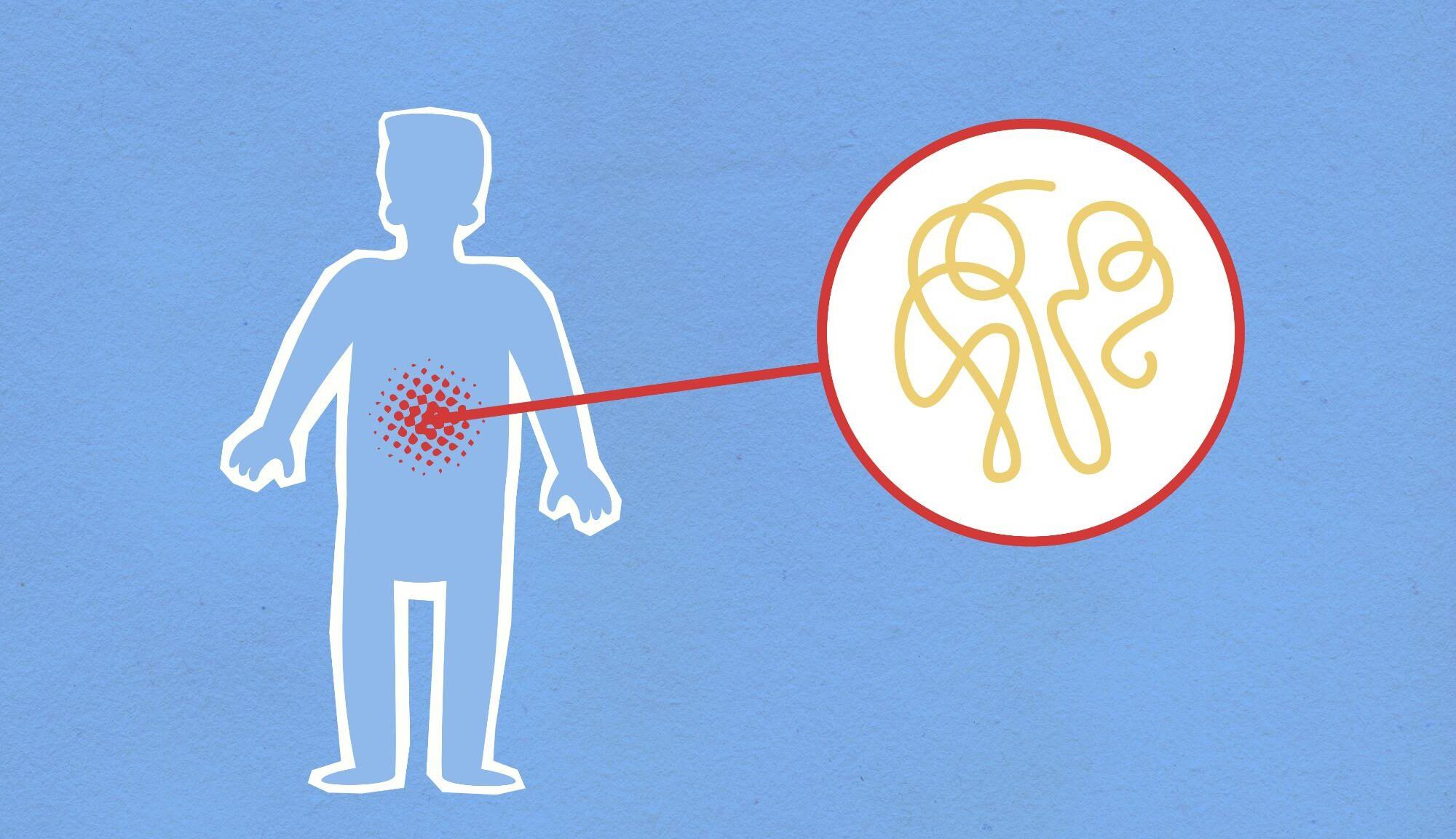
We talk about inflammation a lot when we talk about diet, stress, immunity, chronic disease, and even gaining weight. But a lot of people don’t really understand what inflammation is or how it affects the body. Inflammation is a normal and important part of our immune system, but it can be bad if it lasts too long.
You can feel better, be healthier in the long run, and lower your risk of getting a chronic illness if you know what causes inflammation and how to calm it down.
What Does It Mean to Be Inflamed?
Your body naturally fights off inflammation. When you get a cut, catch a cold, or touch bad bacteria, your immune system sends white blood cells to the area to protect you and help you heal. This kind of response is called acute
This kind of response is called acute inflammation, and it’s a good thing because it helps you heal.
But inflammation can be bad if it doesn’t go away.
When the body is always on high alert, low-grade inflammation can build up over time. This is called chronic inflammation, and research has linked it to a number of health issues, including:
-
- Heart issues
- Type 2 diabetes
- Things that make the immune system weaker
- Joint pain
- Some types of cancer
- Issues with digestion
- Decline in cognitive function
People often call chronic inflammation a “silent” process because you might not notice any obvious symptoms at first, but it can affect almost every system in the body.
What Causes Chronic Inflammation Most of the Time
There is usually more than one reason for chronic inflammation. It builds up over time from things like stress, habits, and the environment. Here are some of the most common causes:
1. Not eating right
Eating a lot of sugar, processed carbs, bad fats, and fake additives can make the immune system work too hard.
Examples include:
-
- Sugary drinks and snacks
- Food that is quick
- Packaged foods that have been through a lot of processing
- Food that has been cooked in oil
- Too much booze
If you eat these foods a lot, they can make inflammation worse.
2. Not enough physical activity
Not moving around much makes circulation slower, the immune system weaker, and inflammation worse. Getting up and moving around a little bit every day can help a lot.
3. Stress that lasts for a long time
Your body can’t tell the difference between real danger and stress that comes from emotions. Stress keeps cortisol levels high all the time, which makes inflammation happen all over the body.
4. Not getting enough rest
While you sleep, your body repairs itself. Hormones and the immune system can get messed up if you don’t get enough good sleep. This can make inflammation worse over time.
5. Toxins in the air
Your immune system can get stressed out by things like mold, cigarette smoke, chemicals, pollution, and even some things you use around the house.
6. Problems with health that are already there
Obesity, insulin resistance, autoimmune disorders, and chronic infections are all conditions that can keep inflammation going.
Signs of Chronic Inflammation
Chronic inflammation isn’t always easy to see, but some signs that it is there are:
-
- Feeling tired or low on energy
- Having stomach problems or feeling bloated
- Getting sick often
- Pain in the muscles or joints
- Brain fog
- Skin problems like acne, rashes, and eczema
- Unexplained changes in weight
These symptoms can be like those of many other illnesses, which is why changing your lifestyle can help you deal with them.
How to Lower Inflammation in a Natural Way
What’s the good news? You can improve your long-term health and lower inflammation by sticking to small habits every day.
1. Add foods that fight inflammation to your plate.
Whole foods that are high in nutrients help the immune system heal and relax.
Choose:
-
- Fruits and vegetables that are bright in color
- Greens with leaves
- Fish that are high in fat, like salmon and sardines
- Nuts and seeds
- Oil from avocados and olives
- Beans and lentils
- Brown rice, oats, and quinoa are all whole grains
- Herbs and spices like turmeric, ginger, and cinnamon
2. Eat less of the foods that make you inflamed
You don’t have to get rid of them all; just cut back on:
-
- Sugar
- Snacks that have been changed
- White bread and refined grains
- Food that has been deep-fried
- A lot of alcohol
Little changes over time can have a big effect.
3. Move your body every day
You don’t need to work out a lot. Even moving around a little bit can help lower inflammation markers.
Try:
-
- Walking
- Stretching
- Lightweight training
- Yoga or Pilates
- Moving around during the day when you take breaks
Don’t try to be perfect; just keep doing what you’re doing.
4. Deal with stress in simple ways
Stress is one of the main things that makes inflammation happen.
Some good habits are:
-
- Breathing deeply
- Meditation
- Keeping a journal
- Time spent outside
- Things you like to do when you have some free time
- Talking to someone you trust
Even five minutes of peace can help your nervous system get back to normal.
5. Sleep should be a top priority
Try to sleep for 7 to 9 hours and go to bed at the same time every night.
Helpful habits include:
-
- Limiting time spent in front of screens before bed
- A bedroom that is cool and dark
- A relaxing nighttime routine
Getting enough sleep right away lowers inflammation.
6. Drink a lot of water
Water helps the body get rid of toxins and keeps all of its systems running smoothly.
Try adding lemon, cucumber, or fruit to make it taste better.
7. Keep your gut healthy
A lot of your immune system is in your gut.
Support it with:
-
- Foods that are high in fiber
- Fermented foods like yogurt, kefir, and sauerkraut
- A lot of plants
A healthy gut means less inflammation.
The Bottom Line
Inflammation isn’t always a bad thing; it’s a normal part of healing. But if it lasts for a long time, it can quietly affect your energy, mood, digestion, and long-term health.
Not extreme dieting or complicated routines, but small, simple habits every day are the best way to lower inflammation. Eating whole foods, staying active, lowering stress, getting enough sleep, and drinking enough water can all help your body reset.
Little things can have a big effect. Your body feels every choice you make, and every little change you make gets you closer to being healthier.
Dr. Barbara R. Edwards is an experienced Penn Medicine Princeton Health internist who has practiced medicine for over 25 years. She is also the academic director of the Ambulatory Residency Program at Penn Medicine Princeton Health.