How to Stay Motivated to Move When It’s Too Hot Outside

Summer Motivation

Summer heat can sap your drive to get moving, even if you’re someone who loves staying active. You might step outside for a jog or a walk and feel the energy drain out of you before you’ve even started. The truth is, movement matters—it keeps you feeling strong, lifts your spirits, and steadies your mind—but when the air feels thick and heavy, it’s hard to know where to begin.
Here’s the encouraging part: you don’t need to fight the heat or force yourself through the same routines you’d follow in cooler weather. With a few gentle shifts, you can keep going, feel good, and avoid wearing yourself thin. Let’s walk through how you can stay motivated when it’s too hot to even think about moving.

1. Find the Right Time

You’ve probably noticed how brutal the midday sun can be—it’s not your imagination. But if you shift your timing, you’ll find the day offers kinder moments. Early mornings or late evenings bring a softness to the air that makes movement feel possible again.
Try stepping out between 6 and 9 in the morning or after 7 at night. Open your windows to let the freshness in, or take your walk while the world feels calm. You might discover these quieter hours become a soothing part of your day, something you look forward to.

2. Ease Into Gentler Movement

You don’t need to push yourself to the limit when it’s warm—honestly, it’s wiser not to. Going too hard can leave you dizzy or drained, especially if the heat’s already working against you. Instead, let consistency be your strength.
Think about yoga in a cool room, a swim that refreshes you, light weights at home, or a walk instead of a run. Even a dance session indoors can do wonders. Give yourself 20–30 minutes—you’ll feel your body thank you for keeping it simple and steady.

3. Keep Water Flowing

It’s so easy to lose track of how much water you need when the heat creeps up. Before you know it, you’re sluggish, and the thought of moving feels impossible. Staying hydrated isn’t just practical—it’s a lifeline.
Sip water all day, not just when your throat begs for it. A pinch of sea salt or an electrolyte boost can help it sink in. Steer clear of too much caffeine or alcohol—they pull water away when you’re already stretched thin. Keep a bottle close; it’s a quiet nudge to care for yourself.

4. Bring It Inside

When the temperature climbs past 85°F, you don’t have to brave it outdoors—and you shouldn’t feel guilty for that. You can move just as well inside, with nothing more than a corner of your space and a little intention.
Try a workout video online, simple squats or lunges, a stretch while the TV hums, or walking your stairs. Even playing with kids or a pet keeps you going. Knowing you’ve got this option takes the heat out of the equation.

5. Break It Into Pieces

Some days, a full workout feels like too much—and that’s okay. You can still move by weaving it into your day in smaller ways. It adds up, and it’s easier to hold onto.
Maybe you stretch for 10 minutes in the morning, walk for 15 after lunch, sway to music for a bit in the afternoon, or do a few moves while supper simmers. You’ll feel the lift in your step without the weight of a long session.

6. Wear What Works

What you put on can change how you feel out there. Clothes that breathe, wick sweat away, and stay light on your skin make a difference. Pick pale colors to shrug off the sun’s heat.
If you’re outside, a hat, sunglasses, and sunscreen shield you, too. When you’re comfortable, you’re less likely to turn back early—and more likely to keep going.

7. Hold Onto Your Why

When the heat dulls your spark, lean into what movement gives you. It’s not about the effort itself—it’s about how you feel after: stronger, clearer, more at peace. Remind yourself why you show up.
Write it down if it helps: “I want to feel steady today,” “This helps me rest easier,” “I’m doing this for me.” That small anchor can carry you through the moment you hesitate.

Adapt and Keep Going

You don’t need to conquer the heat—just meet it where you are. Summer invites you to listen to yourself, adjust, and find what fits. A sunrise walk, a stretch in the cool, a dip in the water—every step counts. You’re not giving up; you’re showing up, and that’s what keeps you well.
Dr. Barbara R. Edwards is a practicing internist at Penn Medicine Princeton Health and the Academic Director for the Ambulatory Residency Program at the same institution.


Compassion in Mental Health: How to Be Kind to Yourself

Understanding Self-Compassion

Self-compassion is treating yourself with the kindness, care, and understanding that you would give to your close friend. Instead of criticizing yourself when making mistakes, use self-compassion to encourage yourself to embrace the imperfections you may have and respond to your own struggles with empathy.

How Self-Compassion Can Benefit Your Mental Health

 Self-compassion is correlated to decreased anxiety, depression, and stress. Being kind to ourselves during troubled times will create emotional safety that allows us to emotionally manage setbacks and challenges. With self-compassion, comes resilience–helping us bounce back from difficult times without the typical self-judgment that often worsens mental health issues.

Simple Ways To Incorporate Self-Compassion

  1. Be Mindfully Aware: Recognizing moments of self-criticism and pausing to acknowledge instead of ruminating is always a good idea; take a breath and tell yourself that mistakes are part of being human.
  2. Positive Affirmations: Replace any negative thoughts and talk about yourself with positive, uplifting, supportive affirmations. For example, “I am doing my best, and it’s okay to make mistakes.”
  3. Self-Compassionate Touch: Gently place your hand on your heart and give yourself a hug whenever you feel overwhelmed or emotional flooding. Giving yourself a physical gesture can self-soothe your nervous system and ground you by connecting your emotional world to the physical world.

By simply practicing compassion for yourself, you improve your mental and emotional health, boost your self-esteem, and create a kinder, more forgiving relationship with yourself. When you are able to help yourself through compassion, you will be able to help others even more if they’re having trouble and need encouragement. 

Dr. Barbara R. Edwards is an experienced Penn Medicine Princeton Health internist who has been practicing medicine for over 25 years. She is also the academic director of the Ambulatory Residency Program at Penn Medicine Princeton Health.

The Myth of “8 Glasses Of Water a Day”: Understanding Hydration Needs

Eight Glasses Of Water May Not Be Right for You

People often suggest drinking eight, 8-ounce glasses of water per day. However, when it comes to hydration, there is not a one-size-fits-all answer. Hydration needs will vary based on the age, weight, activity level, climate, and health conditions of an individual.

Factors That Impact Your Hydration 

  1. Your Activity Level: Exercising regularly or engaging in physical labor–whether you have an active job or enjoy moving–your body loses water through sweat, requiring you to drink more fluids to stay hydrated and replenish the water loss.
  2. Climate: Keep your environment in mind because hot and humid weather will increase the need for water intake, due to your body working to regulate its temperature. On the other hand, dry or cold environments may reduce the amount of thirst you have, but still require the necessary hydration.
  3. Personal Health Considerations: There are some medical conditions and medications that may impact your hydration needs, so it’s essential to listen to your body and consult with a healthcare professional. Pregnancy can also change the way your body functions and requires additional fluids to support the pregnancy and the body.

What Are Your Ideal Hydration Needs

As an alternative to the eight glasses theory, you should simply listen to your body’s natural cues and instincts. Thirst is the body’s way of telling you to drink some water. If you are unsure, use the color of your urine to indicate your hydration level—pale yellow means you’re well-hydrated, while a darker yellow can be a sign of dehydration.

Ultimately, the general idea with hydration is to follow your body’s natural hints and tune into your exercise, environment, and medical history to understand how to hydrate your body properly and adequately. 

Dr. Barbara R. Edwards is a practicing internist at Penn Medicine Princeton Health and the Academic Director for the Ambulatory Residency Program at the same institution.
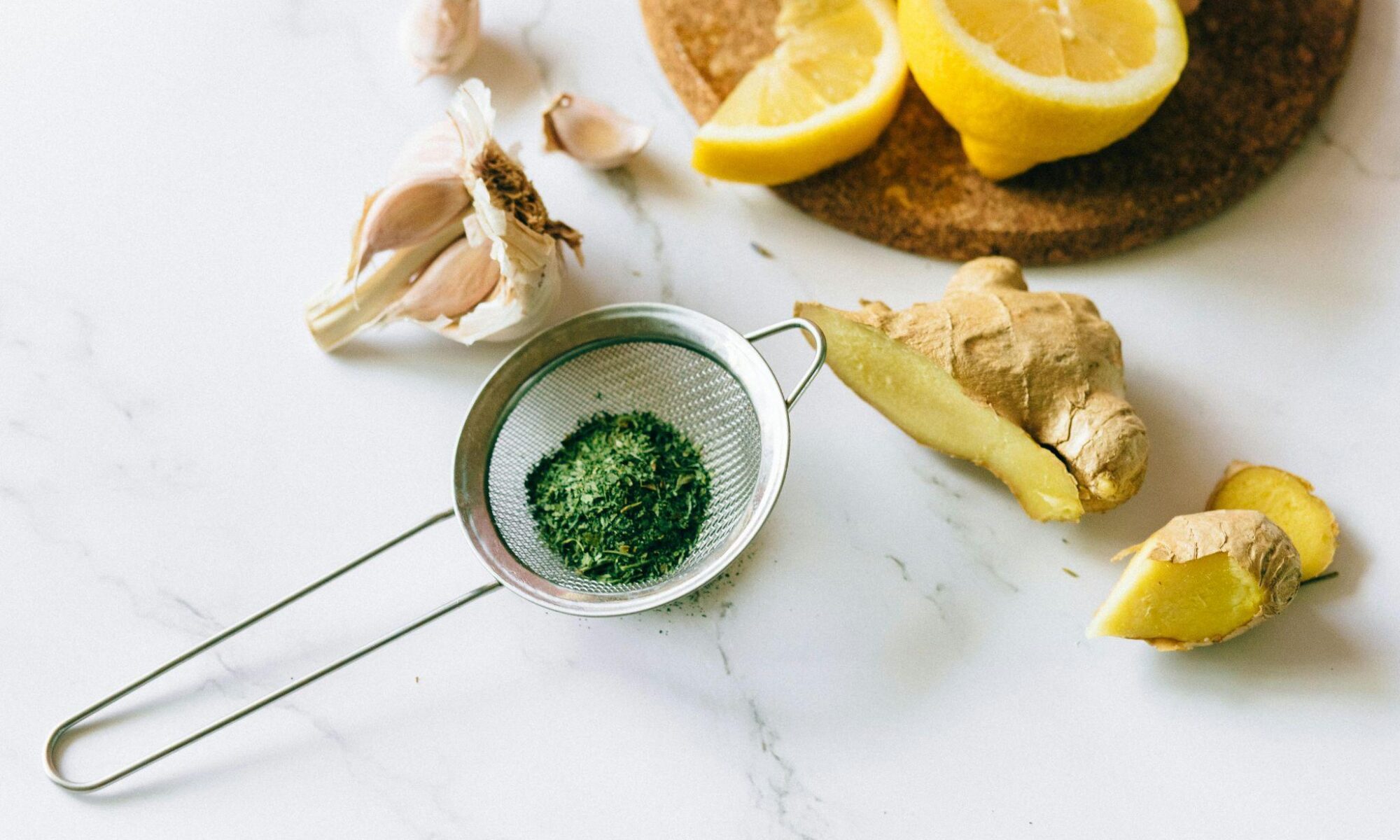
How The Western Diet Impacts Gut Health

The Western diet is often found to be riddled with processed foods, refined sugars, and unhealthy fats that can be linked to many gut-related issues. In particular, Western diet frequently disrupts the gut microbiome. Our gut microbiome consists of trillions of bacteria that play a vital role in digestion, immunity, vitamin production and overall health.

Consuming food that is highly processed and low in fiber, can lead to a lack of beneficial bacteria and an increase in harmful bacteria, throwing off our gut microbiome balance. The imbalance created is known to be dysbiosis–and in many cases can be associated with bloating, constipation, and irritable bowel syndrome (IBS). In the Western diet, excess sugar and unhealthy fats can create inflammation in our digestive system–impairing the natural digestion process, which leads to long-term health impacts.

Restoring Gut Health with Dietary Changes

One way to rejuvenate your gut health is to change what you regularly eat, and add foods to your diet that encourage healthy digestion.

  1. Increasing Your Fiber Intake:  Eating fiber helps nourish the good gut bacteria. Eat whole foods that are high in fiber, such as fruits, vegetables, and legumes. 
  2. Start Incorporating Probiotics: Eat foods that contain good bacteria–this will replenish the good bacteria in your gut. Some of these foods include: yogurt, kefir, and fermented vegetables.
  3. Keep Processed Foods and Sugar To a Minimum: Reducing processed foods and sugary beverages such as sodas and juices will support a healthier microbiome and decrease inflammation.

You can have profound positive effects on your gut health by incorporating more whole foods, reducing processed food intake, and adding fiber and probiotics to your diet. All these will decrease inflammation and benefit digestion.

Dr. Barbara R. Edwards is an experienced Penn Medicine Princeton Health internist who has been practicing medicine for over 25 years. She is also the academic director of the Ambulatory Residency Program at Penn Medicine Princeton Health.

Stay Active At Work: Having An Active Workday

Sitting for hours at a desk may be taking a toll on body and mind, but getting in movement doesn’t have to be a challenge. There are quick and easy changes that can reduce your stress, improve your posture, and boost your productivity.

  1. Taking Breaks

You can set a timer to get up and move around every 45 mins or so. Movement can include a simple walk around the office, stretching, or light exercises–which can reduce muscle tightness and improve circulation.

  1. Desk Stretches

You can incorporate stretches into your daily routine to alleviate tension in the neck, shoulders, and back. Shoulder rolls, neck tilts, and seated spinal twists are a few simple stretches you can incorporate into the day to improve flexibility and posture.

  1. Using a Standing Desk

If available, use a standing desk that allows you to both sit and stand at different times throughout the day. If you can stand for just 10-15 minutes every hour–you can significantly decrease the effects of long-term sitting. 

  1. Walk and Talk

When you can, start walking when you take your calls or meetings. If your work allows, get up and walk around while discussing projects. You are able to stay productive while also staying active throughout the day. 

  1. Lunch Walks

Make a habit to go outside for a quick walk during your break. A little walk can clear your mind, boost energy levels, and improve your mood for the rest of the day.

  1. Desk Exercises

Trying simple exercises such as seated leg lifts, calf raises, and seated marches can engage your muscles and promote circulation without leaving your desk. Even smaller movements can add up, so don’t  hesitate to incorporate them–they can go a long way.

Increasing your activity throughout the workday is one of the ways you can maintain good physical and mental health while reducing your stress levels. Simple changes can make a large impact and will leave you feeling more energized and motivated.

Dr. Barbara R. Edwards is an experienced Penn Medicine Princeton Health internist who has practiced medicine for over 25 years. She is also the academic director of the Ambulatory Residency Program at Penn Medicine Princeton Health.