


Mediterranean Meal Ideas

A Mediterranean diet is an excellent way to maintain a healthy weight. Here are seven meal ideas with links to recipes to get you started.

  1. Greek-Style Baked Cod with Lemon and Garlic

Lemon juice, garlic, olive oil, and a mix of Mediterranean spices give this dish its wonderous flavor! This simple recipe can be ready to serve in just over 20 minutes.

  1. Chicken Shawarma

Chicken shawarma is a favorite of Middle Eastern street food. Shawarma’s flavor comes from a homemade mixture of spices.

  1. Moroccan Vegetable Tagine

This homemade vegetable stew is filled with warm Moroccan flavor. This delicious dish is simple, vegan, and gluten free.

  1. Easy Seafood Paella

This version of seafood paella is modern and simple to make. You’ll absolutely love it! And unlike many classic paella recipes, no special pan is required. Follow this step-by-step tutorial and watch the video to try out this recipe for yourself.

  1. Spanakopita

Spanakopita is a Greek spinach pie made up of layers of flaky phyllo with spinach, onions, cheese, and herbs. This dish is simpler to make than many would believe. Try out the recipe and tutorial for a new cooking experience.

  1. Chicken Souvlaki

A favorite for many, chicken souvlaki’s flavor comes from its marinade. As a bonus, the same recipe for the tzatziki sauce can also be used for pork!

  1. Briam

Greek briam, similar to ratatouille, is a traditional Greek roasted vegetables dish. It is made up of a mix of vegetables that are baked using simple flavors.

Dr. Barbara Edwards, a Princeton M.D. internist practices at Penn Medicine Princeton Health in the Penn Medicine Princeton Medical Center and also serves as Medical Director of the Bristol-Myers Squibb Community Health Center.

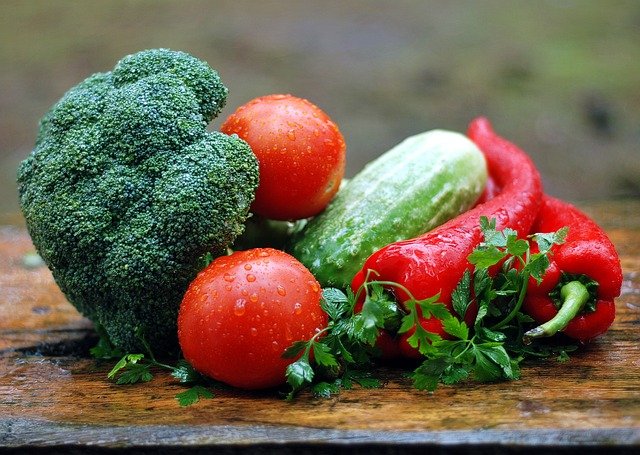
Benefits of a Vegetarian Diet

While eating meat provides many necessary nutrients for the human body, the vegetarian approach can still support a healthy, varied diet. People become vegetarians for many different reasons, either wanting to incorporate healthier foods to their diets, for ethical reasons,  and environmental sustainability. Whatever the reason, starting a vegetarian diet can have many beneficial impacts on your health, if done in a healthy and manageable way.

Health Benefits

A vegetarian diet reduces the risk of chronic degenerative diseases such as obesity, coronary artery disease, high blood pressure, diabetes and certain types of cancer including colon, breast, prostate, stomach, lung and esophageal cancer. Preventing these diseases may lead to a longer life expectancy. Additionally, going vegetarian may help manage weight, since a plant-based approach incorporates fewer calorie heavy meals. In an experiment done by the Medicine Research Institute, overweight people that went on a vegetarian diet lost an average of 24 pounds within the first year!

What foods does a Vegetarian diet consist of?

When going vegetarian, people focus on eating plant-based foods. Typically, vegetarians do not eat meat or fish but will still consume dairy products. By sticking to whole foods, vegetarians eat high amounts of nutrients and fiber. While there are many benefits to the vegetarian diet, it is crucial to plan ahead, as deficiencies in vital nutrients such as iron and vitamin B-12 can occur.

Why should I try this diet?

For the health reasons listed, as well as a more sustainable diet for the environment, going vegetarian may be a great option for you. To start, slowly reduce the amount of meat you consume each week in order to gradually transition into the new way of eating. Also, plan accordingly to make sure you are eating foods that give you the necessary vitamins and minerals. When done correctly, the vegetarian diet has had many positive impacts on people that have made the switch.

Dr. Barbara Edwards, a Princeton M.D. internist practices at Penn Medicine Princeton Health in the Penn Medicine Princeton Medical Center and also serves as Medical Director of the Bristol-Myers Squibb Community Health Cente

Incorporating the Mediterranean Diet into Your Lifestyle

More and more, people are becoming conscious of incorporating vegetables into their diet and overall going more “plant based”. In particular, the Mediterranean diet has increased in popularity for people who are becoming more aware of this heart-healthy lifestyle. This type of diet is approved by the World Health Organization, deeming to be “healthy and sustainable.” So why should you consider making this your diet?

What is the Mediterranean Diet?

The Mediterranean diet is a way of eating based on the traditional cuisine of countries bordering the Mediterranean Sea. With that being said, people who follow this way of eating often consume high amounts of fruits, vegetables, beans, seeds, nuts, whole grains, and olive oil. While these foods are the staples of the diet, people will also consume weekly amounts of poultry, fish, eggs and beans with moderate portions of dairy products and red meat. Overall, this diet is primarily plant-based with an emphasis on whole foods and healthy fats.

Why should I start the Mediterranean Diet?

Health Benefits

The health benefits associated with this diet can improve long-term health outcomes. Going plant-based can decrease your risk of cardiovascular disease and lower LDL (bad) cholesterol. Because the Mediterranean diet focuses on healthy fats, you will receive the unsaturated fats that may decrease triglycerides, the risk of stroke, heart failure, and blood clots.

Social Benefits

The Mediterranean Diet is very flexible, making it a sustainable lifestyle for those that choose to make the switch. People can still enjoy the foods they love while just adding an emphasis to plant based and whole foods. Unlike many diet fads, people find success with the Mediterranean diet because of how unrestrictive it is. Additionally, the diet allows red wine in moderation.

Overall, considering this switch in your eating habits will have a beneficial impact on your health and well-being!

Dr. Barbara Edwards, M.D. internist practices at Penn Medicine Princeton Health in the Penn Medicine Princeton Medical Center and also serves as Medical Director of the Bristol-Myers Squibb Community Health Center.

Benefits of a Low Salt Diet

Salt, otherwise known as sodium chloride, is one of the most commonly used ingredients. Whether it is used for cooking, baking, or just to add some extra flavor to french fries, salt plays a major role in the American diet.  While consuming moderate amounts of this mineral can allow you to maintain healthy blood pressure and aid in nerve/muscle function, overconsumption can be detrimental to one’s health.

How much salt is too much?

It is estimated that people only need about 500 mg of salt per day in order to aid in bodily functions. Most Americans eat about 1.5 teaspoons of salt per day, which equates to 3400mg  – way more than the necessary amount. Consuming salt in excess may lead to heart disease, high blood pressure, stroke, and even calcium deficiencies. Commonly eaten foods such as ham, salad dressing, canned soups, and many others are high in sodium levels.

Why start a low-salt diet?

Decreasing salt intake by limiting processed and restaurant foods can improve health outcomes, such as reducing the risk of heart disease and lowering blood pressure. Experts recommend eating only about 2400mg per day. Keeping an eye on your salt intake will improve your health and reduce risks down the road. You can still add a light sprinkle of salt to your french fries, but
being mindful of salt will keep you healthier overall.

Dr. Barbara Edwards, M.D. internist practices at Penn Medicine Princeton Health in the Penn Medicine Princeton Medical Center and also serves as Medical Director of the Bristol-Myers Squibb Community Health Center.
Why Exercise Is Important For Mental Health

Exercise has proven effects on physical health, but what about mental health? Caring for your mental health is just as important as caring for your physical health. Physical activity releases endorphins in the body which help to improve your mood. By completing some type of physical activity for a short period of time daily, your body is able to push itself to new limits and grow stronger, both physically and mentally.

Effects of Exercise

Exercise can have many different effects on the body, depending on the type of physical activities you prefer. Some of the most common results impact how you feel, which is important for your mental health as well as physical health. A few notable lasting effects of exercise include the following:

  • Improved self-esteem and confidence
  • Having more energy
  • Quality sleep
  • Reduced stress and anxiousness

Starting a Routine

Beginning the exercise process can be difficult, especially on the days when you really are not feeling up to it. That is ok! Remember to start slow and small and increase the amount of activity you complete over time. Find activities that you enjoy so you can look forward to moving your body for at least half an hour a day.

Dr. Barbara Edwards, a Princeton M.D. internist practices at Penn Medicine Princeton Health in the Penn Medicine Princeton Medical Center and also serves as Medical Director of the Bristol-Myers Squibb Community Health Center.