


How The Western Diet Impacts Gut Health

The Western diet is often found to be riddled with processed foods, refined sugars, and unhealthy fats that can be linked to many gut-related issues. In particular, Western diet frequently disrupts the gut microbiome. Our gut microbiome consists of trillions of bacteria that play a vital role in digestion, immunity, vitamin production and overall health.

Consuming food that is highly processed and low in fiber, can lead to a lack of beneficial bacteria and an increase in harmful bacteria, throwing off our gut microbiome balance. The imbalance created is known to be dysbiosis–and in many cases can be associated with bloating, constipation, and irritable bowel syndrome (IBS). In the Western diet, excess sugar and unhealthy fats can create inflammation in our digestive system–impairing the natural digestion process, which leads to long-term health impacts.

Restoring Gut Health with Dietary Changes

One way to rejuvenate your gut health is to change what you regularly eat, and add foods to your diet that encourage healthy digestion.

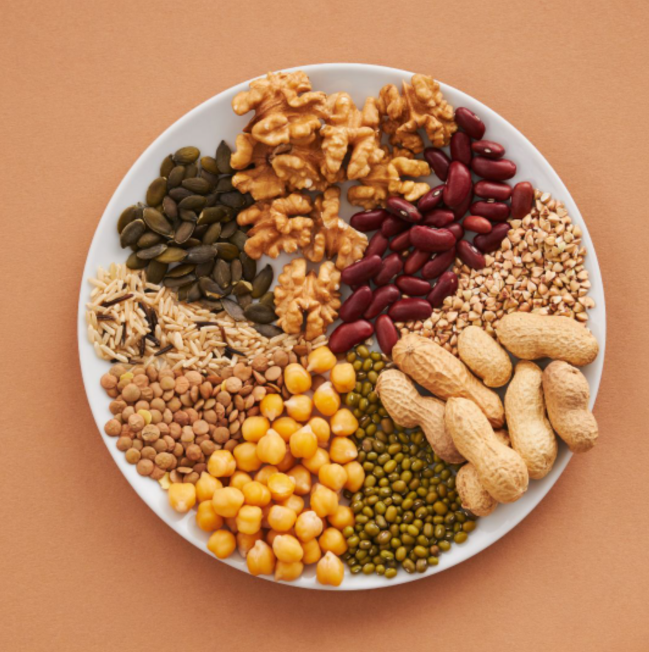
  1. Increasing Your Fiber Intake:  Eating fiber helps nourish the good gut bacteria. Eat whole foods that are high in fiber, such as fruits, vegetables, and legumes. 
  2. Start Incorporating Probiotics: Eat foods that contain good bacteria–this will replenish the good bacteria in your gut. Some of these foods include: yogurt, kefir, and fermented vegetables.
  3. Keep Processed Foods and Sugar To a Minimum: Reducing processed foods and sugary beverages such as sodas and juices will support a healthier microbiome and decrease inflammation.

You can have profound positive effects on your gut health by incorporating more whole foods, reducing processed food intake, and adding fiber and probiotics to your diet. All these will decrease inflammation and benefit digestion.

Dr. Barbara R. Edwards is an experienced Penn Medicine Princeton Health internist who has been practicing medicine for over 25 years. She is also the academic director of the Ambulatory Residency Program at Penn Medicine Princeton Health.


Stay Active At Work: Having An Active Workday

Sitting for hours at a desk may be taking a toll on body and mind, but getting in movement doesn’t have to be a challenge. There are quick and easy changes that can reduce your stress, improve your posture, and boost your productivity.

  1. Taking Breaks

You can set a timer to get up and move around every 45 mins or so. Movement can include a simple walk around the office, stretching, or light exercises–which can reduce muscle tightness and improve circulation.

  1. Desk Stretches

You can incorporate stretches into your daily routine to alleviate tension in the neck, shoulders, and back. Shoulder rolls, neck tilts, and seated spinal twists are a few simple stretches you can incorporate into the day to improve flexibility and posture.

  1. Using a Standing Desk

If available, use a standing desk that allows you to both sit and stand at different times throughout the day. If you can stand for just 10-15 minutes every hour–you can significantly decrease the effects of long-term sitting. 

  1. Walk and Talk

When you can, start walking when you take your calls or meetings. If your work allows, get up and walk around while discussing projects. You are able to stay productive while also staying active throughout the day. 

  1. Lunch Walks

Make a habit to go outside for a quick walk during your break. A little walk can clear your mind, boost energy levels, and improve your mood for the rest of the day.

  1. Desk Exercises

Trying simple exercises such as seated leg lifts, calf raises, and seated marches can engage your muscles and promote circulation without leaving your desk. Even smaller movements can add up, so don’t  hesitate to incorporate them–they can go a long way.

Increasing your activity throughout the workday is one of the ways you can maintain good physical and mental health while reducing your stress levels. Simple changes can make a large impact and will leave you feeling more energized and motivated.

Dr. Barbara R. Edwards is an experienced Penn Medicine Princeton Health internist who has practiced medicine for over 25 years. She is also the academic director of the Ambulatory Residency Program at Penn Medicine Princeton Health.
Mental Health in Children and Teens–Early Support Matters

Good mental health for children and teens is extremely important for their overall well-being, but it’s often not spoken about. A lot of young people face academic pressures, social challenges, and physical changes, and some individuals may deal with anxiety, depression, or other issues. Identifying and addressing challenges early on can help prevent longer-term problems and improve resilience in the youth.

Mental Health Struggle Signs

Oftentimes you see mood swings, social withdrawal, changes in sleep and appetite, or a decline in academics when there are mental health challenges present in children and teens. Teenagers can also be more irritable or partake in risky behaviors. Recognizing the signs will help in getting them early support. 

Having Open Communication 

Create a safe space for your children and teens to express their feelings– this allows them to feel encouraged to have an open dialogue without feeling judged. When you actively listen, you are able to gain their emotional trust and strengthen your connection.

Seeking Professional Help

When a child or teen is showing signs of severe anxiety, depression, or other behavioral/emotional changes, you should seek help from a mental health professional. Having early intervention can mitigate further problems and provide resources to improve their mental well-being.

Habits for Mental Wellness

Supporting mental health will also involve encouraging healthy habits. Encourage physical activity, proper sleep, balanced nutrition, and limited screen time. Healthy habits such as those can contribute to better emotional health and well-being.

Mental health is just as important as physical wellness. By recognizing the signs, providing your child with support, and seeking professional help if needed, parents and caregivers can help the youth build a strong foundation for long-term mental well-being.

Dr. Barbara R. Edwards is a practicing internist at Penn Medicine Princeton Health and the Academic Director for the Ambulatory Residency Program at the same institution.

Food as Medicine: Top Foods to Reduce Inflammation and Promote Longevity

Food can be used to reduce chronic inflammation–which is connected to health conditions such as heart disease and arthritis. There are some anti-inflammatory foods that can lower inflammation in the body, and support overall health and longevity.

  1. Fatty Fish: Omega-3s to Fight Inflammation

Fatty fish, including salmon and mackerel, are loaded with omega-3 fatty acids, which can reduce inflammation and lower the risk of chronic illnesses. Try to eat fatty fish a couple of times each week if possible,

  1. Berries: Antioxidants for Health

Blueberries and strawberries are high in antioxidants, which will help us in fighting inflammation and oxidative stress, as well as supporting the health of our hearts and brains. 

  1. Turmeric: A Natural Anti-Inflammatory

Turmeric contains curcumin, a powerful anti-inflammatory compound– which helps reduce joint pain and inflammation. When turmeric is paired with some black pepper, it’ll enhance absorption; turmeric may also be added to soups and smoothies.

  1. Leafy Greens: Nutrient-Packed Inflammation Fighters

Leafy greens such as spinach and kale are rich in antioxidants and fiber which reduce inflammation and boost the immune system. You can add leafy greens to salads and smoothies!

  1. Nuts and Seeds: Healthy Fats for Inflammation Relief

Nuts and seeds, including almonds and walnuts, contain healthy fats and anti-inflammatory compounds. Having a handful of nuts makes for a satisfying, inflammation-fighting snack.

A Diet for Longevity

When you incorporate anti-inflammatory foods into your diet, you can reduce inflammation and improve long-term health. By eating fatty fish, berries, turmeric, leafy greens, and nuts, you’re allowing your body to be more healthy and thrive.

Dr. Barbara R. Edwards is an experienced Penn Medicine Princeton Health internist who has practiced medicine for over 25 years. She is also the academic director of the Ambulatory Residency Program at Penn Medicine Princeton Health.

From Garden to Table: Wellness Benefits of Growing Your Own Food

Gardening For Wellness

Convenience often outshines quality when it comes to food, so growing your own food offers an alternative option that connects you to nature and promotes wellness. Gardening provides numerous health benefits– from physical health improvements to mental health improvements.


1.Nutritional Benefits: There are many Nutritional Benefits to growing your own food–freshly harvested fruits and vegetables are more nutrient-dense compared to their store-bought counterparts. Homegrown produce can allow you to ingest more vitamins, minerals, and antioxidants, which all contribute to a more balanced diet.


  1. Physical Activity: Gardening is a great way to be physically active. Digging, planting, weeding, and harvesting are all forms of exercise that can improve strength, flexibility, and cardiovascular health. When you spend time in the garden, you are creating a more active lifestyle, and moving more throughout the day.


  1. Mental Health Benefits Gardening is linked to reduced stress and anxiety. Tending to your plants can be meditative, providing a sense of peace and accomplishment. Some studies show that spending more time outdoors and engaging with nature can boost your mood and lower cortisol levels–a stress hormone.


  1. Connection to Nature: Creating a garden allows a deeper connection to nature. Developing a deeper relationship with nature allows you to appreciate the environment and encourage a more sustainable life. Connecting with nature has also been connected to better mental clarity, creativity, and life satisfaction.


  1. Sustainable Living: When you grow your own food, you do not have to rely on outside sources as much–you become more self-sufficient.By practicing sustainable gardening, you contribute to biodiversity, decrease your carbon footprint, and allow for healthier ecosystems.


  1. Community and Social Interaction Gardening can also be a social activity. Whether you join a community garden or give some produce to friends, growing food can spark a connection and build community. Sharing knowledge and experience with others can not only improve your gardening skills, but create meaningful connections.


The journey from garden to table is not only about food, but the balanced living and care that comes with. Growing your own food, nourishing your body and mind, and fostering a deeper connection to nature are all benefits of creating and managing a garden. Whether you have a large yard or a small space, starting a garden is a big step to a more healthy and balanced life.