

Benefits of Doing Yoga Every Day

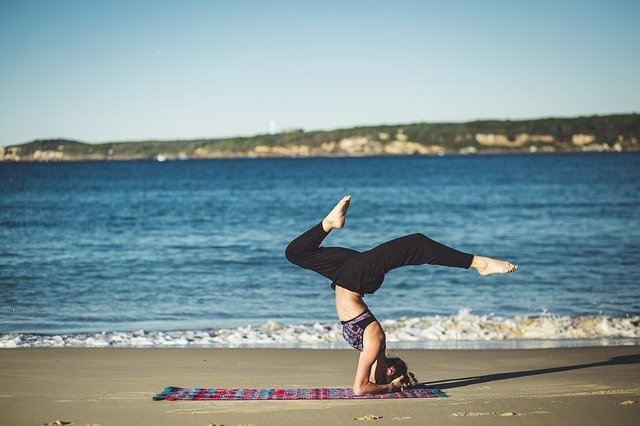
Exercising daily is a wonderful way to boost your health and feel energized. An excellent form of exercise that can be done in many ways with varying degrees of intensity is yoga. Practicing yoga every day has countless benefits that can lead to great improvements in physical and mental health. Whether you’re an experienced yogi or completely new to yoga, below are some benefits you could enjoy.

Increased Flexibility and Range of Motion

Many of the common yoga poses are focused on flexibility because yoga releases and lengthens the body’s deep connective tissues. Daily yoga creates muscle memory, thus continually increasing flexibility. In addition, increased flexibility leads to a greater range of motion which can help you avoid injury. The more yoga you do, the more you’ll be able to move.

Improved Mental Health (less stress, more sleep!)

Yoga is great for the body, and it is equally good  for the mind. Yoga is considered to be very grounding and mood-boosting. Connecting with your own body can even elevate your mood. Studies suggest that yoga can also be used to reduce stress and improve sleep. Practicing yoga gives your mind time to reflect and decompress, leading to a better and longer sleep.

Increased Muscle Strength and Corrected Posture

While yoga is mostly focused on flexibility, many yoga poses also build muscle strength. At first, there may be many poses that are too difficult for you, but with daily practice, your muscles can adjust and allow you to complete more advanced poses. Building your muscles is great for your health and can make you feel much more confident. Increased muscle strength also affects your posture, helping you to potentially correct your stance and reduce back pain.

Dr. Barbara Edwards, a Princeton M.D. internist practices at Penn Medicine Princeton Health in the Penn Medicine Princeton Medical Center and also serves as Medical Director of the Bristol-Myers Squibb Community Health Center.

How to Volunteer Virtually

Volunteering is a great way to get involved and feel a sense of purpose. Although recent health restrictions make it difficult to go out and volunteer, there is still a way that you can help your community while protecting your health –– virtual volunteering! Continue reading to learn how and where you can volunteer virtually.

What is Virtual Volunteering?

Virtual volunteering is donating your time to assist an organization remotely through your computer or phone.  Most organizations have an application process to become a virtual volunteer. Virtual volunteering is a great way to give back to your community and sharpen your skills.

Start Locally

When beginning your search for virtual volunteering, it’s best to start local. Search online for local charitable organizations in your area, and see if any are in need of assistance virtually. If you’re having trouble finding information, reach out directly to organizations and ask if they need help. Another way to discover local volunteer opportunities is to use Facebook’s Town Hall resource and search for groups in need of virtual volunteers in your area.

Consider Established Programs

While it’s great to help local organizations, virtual volunteering conveniently allows for helping out state-wide or even nation-wide organizations. Many established organizations such as the Red Cross, the Smithsonian Institute, and the American Cancer Society are looking for virtual volunteers. Visit their websites and (if applicable) send in a volunteer application to join their teams. Additionally, you can visit VolunteerMatch to discover virtual volunteer opportunities.

Dr. Barbara Edwards, a Princeton M.D. internist practices at Penn Medicine Princeton Health in the Penn Medicine Princeton Medical Center and also serves as Medical Director of the Bristol-Myers Squibb Community Health Center.

Benefits of Exercising Outside

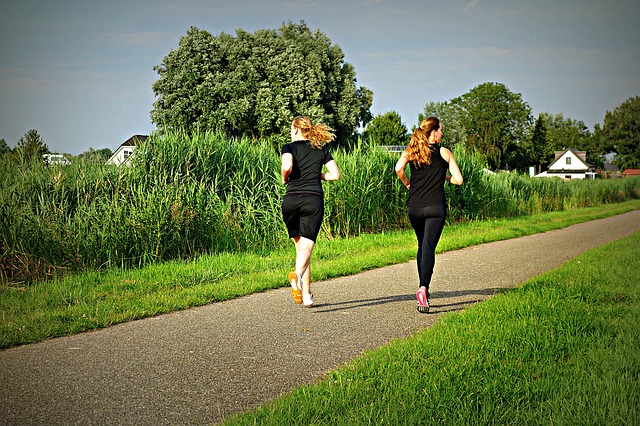
Exercising outdoors can not only improve physical health, but it can benefit mental health as well. Being confined to just your living space can take a toll on self esteem, pleasure, and enthusiasm—and breathing in fresh air can alleviate some of that stress. Here are three benefits to outdoor exercising that can open the door to a happier life in the era of COVID-19.

Vitamin D

Vitamin D is a vital vitamin that comes primarily from the sun. Being outside for 15 minutes a day can help increase vitamin D levels, which may help reduce risk of stroke, heart attack, cancer and even depression. Taking a short walk locally or going for a slow jog are simple ways to  improve vitamin D intake.

Having a Clear Mind

Being outside brings you closer to nature, which can have a calming effect on the mind and body. Take this time to focus on your thoughts and give yourself a break from the stressors of every day life. Taking hikes, or even just a few trips around the block can have positive impacts on your cardiovascular health.

It’s Free!

Everyone has access to the outdoors—even if it’s a neglected tennis court at a public park. The best part is that it’s free and usually just a few steps from home. The worry about having to walk into a crowded gym disappears and you’re exercising on your own time in the comfort of your own environment.

Dr. Barbara Edwards, a Princeton M.D. internist practices at Penn Medicine Princeton Health in the Penn Medicine Princeton Medical Center and also serves as Medical Director of the Bristol-Myers Squibb Community Health Center.

At-home Workouts During Cooler Weather

Staying safe at home doesn’t mean you have to completely disrupt your exercise schedule, especially during the cooler months. Different types of at-home workouts can keep you active and motivated.

YouTube Workouts

YouTube workouts are a fun way to stay active. There are thousands of videos to choose from, while working out in the comfort of your own home. Try searching for free pilates, barre, and yoga classes that require minimal equipment.

Hula Hoop

Hula hooping is an intense core workout and is easy to do anywhere there’s open space in your home. Benefits also include improving balance while burning body fat and calories. Tip: buy a weighted one, this adds extra tension and makes for a more intense training.

Yoga

Yoga is a great way to practice balance and mindfulness. It can also help alleviate back pain if you live a sedentary lifestyle. You don’t have to follow a yoga class once you nail a few basic moves—just move the way it feels good for you.

Digital Gym Memberships

Most gyms have developed workout programs for members to keep them moving even if they’re not comfortable exercising at their facility. Live streamed classes by familiar trainers can keep you feeling connected and healthy.

Dr. Barbara Edwards, a Princeton M.D. internist practices at Penn Medicine Princeton Health in the Penn Medicine Princeton Medical Center and also serves as Medical Director of the Bristol-Myers Squibb Community Health Center.

Exercises That Are Pandemic Safe During Winter

The pandemic has put a hold on everyday activities that help us stay healthy and active. This does not mean we can’t utilize our own homes, even in the cold weather, to get our heart rates up and keep our bodies moving. These four at-home exercises can increase blood flow on a chilly day targeting each area of the body—all you need is yourself.

Burpee With Push Up 

This cardio exercise is sure to get that heart rate up. The goal of  this exercise is to go at your own pace and to keep control of your body. Only you know your limits.

Bodyweight Squat

The bodyweight squat can be done anywhere. This exercise works the lower half of the body, focusing on glutes and legs. Keeping correct form and making sure your knees don’t go over your toes is important for preventing injuries.

Mountain Climbers

Mountain climbers are another exercise that  get the heart racing. This exercise targets the whole body. There are two ways to perform mountain climbers: first, you can wear socks to get more of a constant sliding effect. The other option is to wear sneakers that have a good grip on them for stoppage in between each motion.

Leg Raises

Leg raises are performed laying down on your back. This is another exercise that targets the core. If you are experiencing lower back pain, this may also help. As you raise your legs, be sure to keep the core engaged, since it is the main muscle being worked.

Dr. Barbara Edwards, a Princeton M.D. internist practices at Penn Medicine Princeton Health in the Penn Medicine Princeton Medical Center and also serves as Medical Director of the Bristol-Myers Squibb Community Health Center.