Key Concepts For A Heart Healthy Diet

watermelon slice

Following a heart healthy diet is essential to preserving your mind, preventing disease, and keeping your body active. Maintaining a balanced diet that’s good for your heart requires practice but is extremely rewarding.

Choosing Calories Wisely

For the average adult, 2,000-2,500 calories are needed daily to maintain a healthy weight, although this number may vary based on characteristics such as height, gender, and age. Within this calorie range, it is important to get in all the vitamins and nutrients you need for the day. Keeping track of all food intake is essential to track what you’re properly including in your diet and potentially missing out on. This provides the opportunity to replace unhealthy foods with more nutritious options.

Foods To Avoid

For a heart healthy diet, it is necessary to avoids foods which contain high amounts of sodium, saturated fat, and sugar. Regular intake of these foods contributes to risk of heart disease, diabetes, and cancer. Here are a few foods to avoid for a healthy heart:
• Red meats
• White bread
• Fried chicken
• Canned soup

Foods To Eat

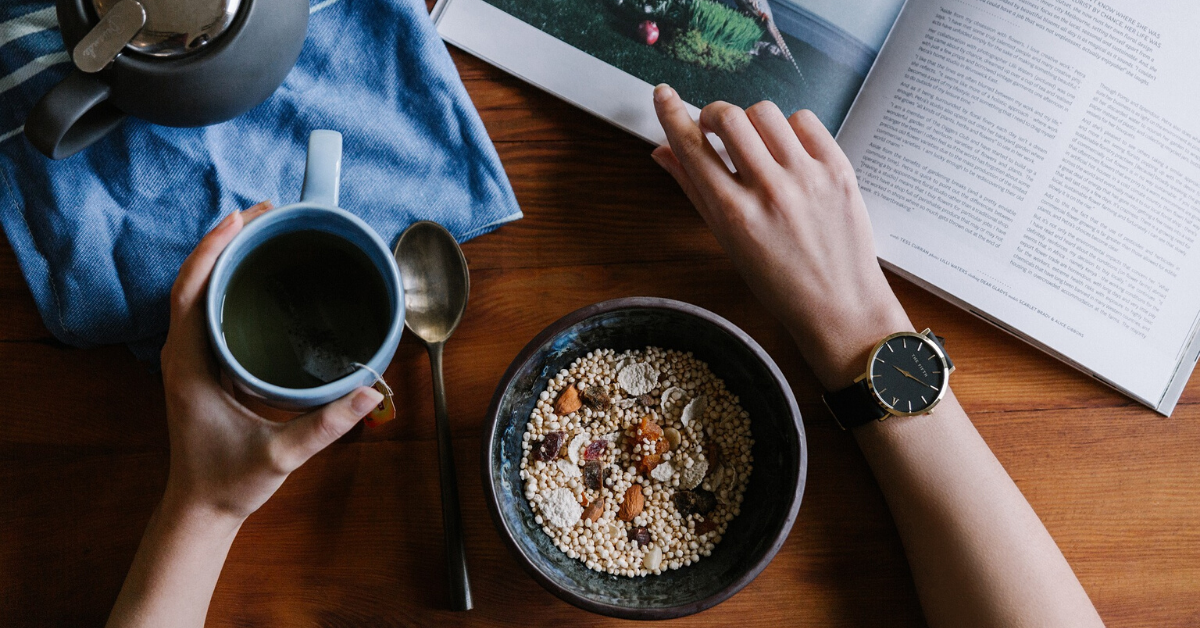
For optimal health, it is recommended to only consume fresh and natural food. At the base of a heart healthy diet, you’ll find fruits and vegetables, whole grains, and protein. Here are a few great foods to add or continue to eat in your diet:
• Salmon
• Berries
• Spinach
• Oats

Dr. Edwards, Princeton internist practices at Penn Medicine Princeton Health in the Penn Medicine Princeton Medical Center and also serves as Medical Director of the Bristol-Myers Squibb Community Health Center.

Benefits of Being a Baby Cuddler

Volunteer cuddling newborn baby in the hospital

The human touch can be lifesaving to a newborn baby. It’s both relaxing and comforting for the baby and the baby cuddler. Whether the baby is born premature, addicted to opioids, or has a health condition requiring an extended stay in the hospital, baby cuddlers can fill in when the parents can’t be there.

How Can Baby Cuddlers Help?

Skin-to-skin contact, also known as kangaroo care (KC), helps a newborn relax and supports their physical, emotional and social growth. A study originally completed in 1996 and then again in 1998 resulted in the following:

Babies who received 60 minutes of cuddling for 14 days showed better sleep habits, focus and stress management skills compared to babies who did not receive kangaroo care. All babies were reevaluated at 3 & 6 months old, one & two years old, and 5 & 10 years old, and all results were consistent with original findings.

Local Hospitals with a Baby Cuddling Volunteer Program

Benefits to the Baby Cuddler

The beautiful side of being a volunteer baby cuddler is that you are able to provide the comfort and care to the at-risk newborns when their parents aren’t able to be around. As you can imagine, when babies are required to stay in the hospital for longer than a month, it becomes very difficult on the parents to balance their time between the hospital, work and taking care of themselves.

Dr. Barbara Edwards, Princeton internist practices at Penn Medicine Princeton Health in the Penn Medicine Princeton Medical Center and also serves as Medical Director of the Bristol-Myers Squibb Community Health Center.

Protecting Your Heart This Summer

Man walking on the beach

Spending the day outside in the beautiful summer weather is tempting for so many people. Whether it’s spending the day at the beach, getting together for a BBQ or getting some much-needed exercise in, it’s important to pay attention to your heart during the summer heat.

When is hot, too hot?

There will be some days that are just too hot to be outside. On these days, try to remain indoors during the peak times of the heat, usually between noon and 3 p.m. If you have to be outside, wear lightweight and light-colored clothing to help keep your body cool. If you’re down at the beach or sitting by the pool, be sure to wear maximum protection sunscreen and don’t be afraid to take a dip in the water every hour or so to help regulate your body temperature.

Hot Weather Tips

  • Try to check in with yourself and others every so often. You may not realize that you are starting to feel dizzy or faint until it’s too late.
  • You will want to make sure that you always have cool water on hand to stay hydrated.
  • Don’t be afraid of a little sweat. This means your body is trying to cool itself down.

Keep in mind that when you sweat, your body is losing important minerals that help maintain your body’s fluid levels, and the loss can lead to low blood pressure. If you’re physically active in the heat, it may be a good idea to hydrate with a sports drink to help replenish the lost electrolytes.

Dr. Edwards, Princeton internist practices at Penn Medicine Princeton Health in the Penn Medicine Princeton Medical Center and also serves as Medical Director of the Bristol-Myers Squibb Community Health Center.

Source:

Harvard Health

Benefits of Volunteering Abroad

blue and white map of the world

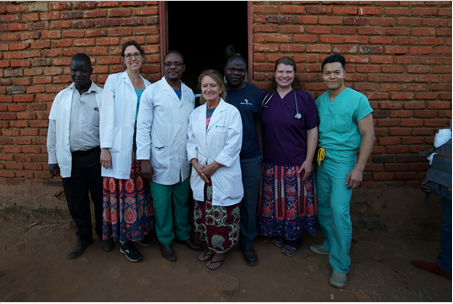
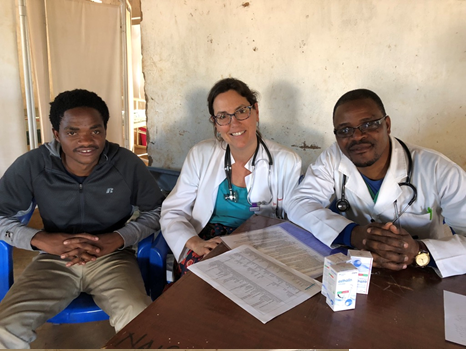
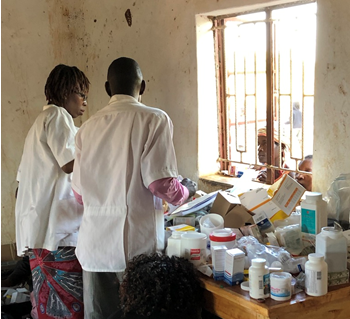
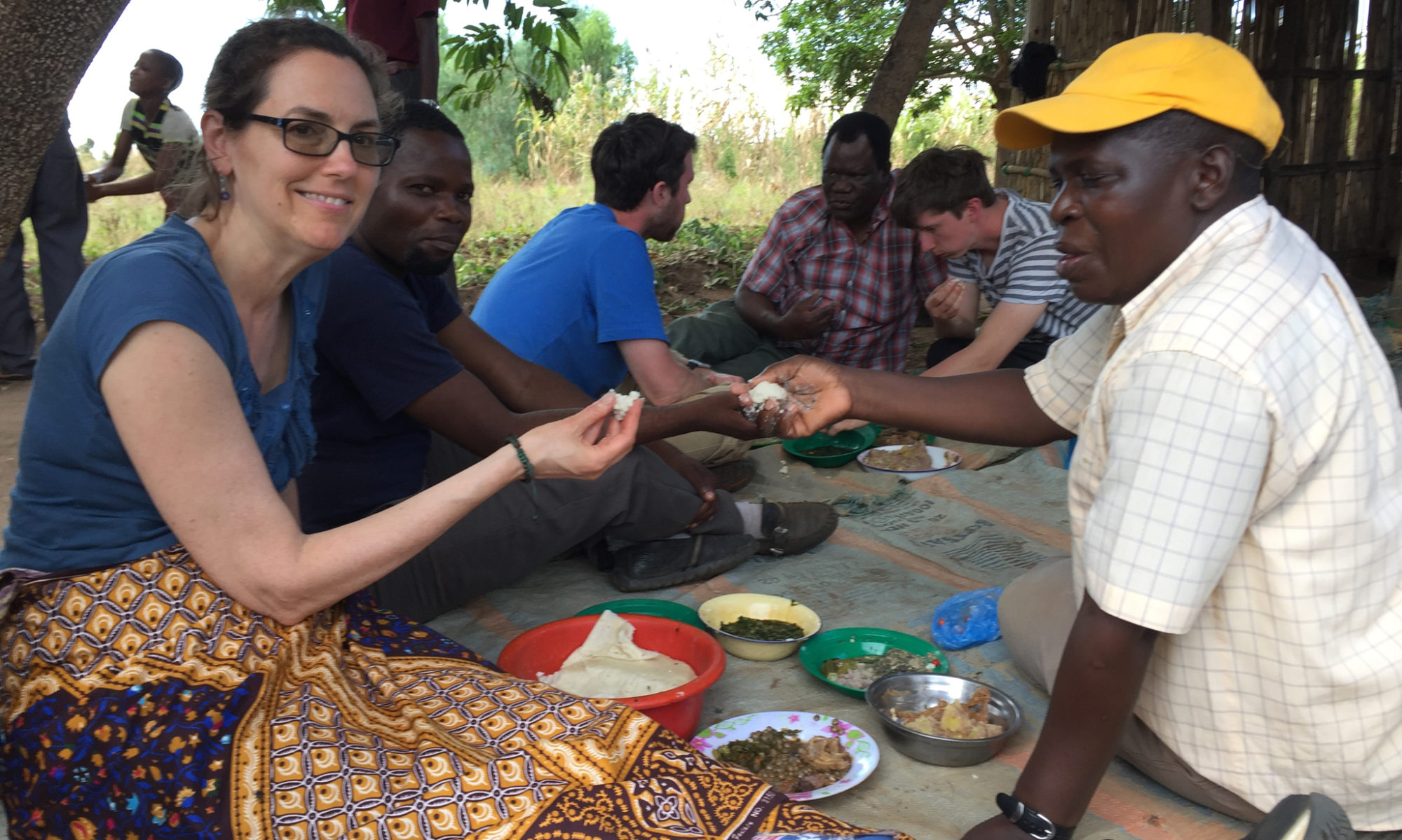
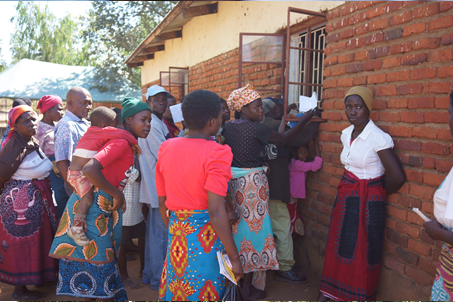
Volunteering abroad provides you with a true experience of a lifetime. You’ll learn and experience more than you could have ever imagined and make memories that will never be forgotten. Meeting new people, experiencing new cultures and ways of life, and learning new skills are just some of the big takeaways from volunteering abroad. So, if you ever have the opportunity to travel abroad for volunteer work, do so!

New Perspectives

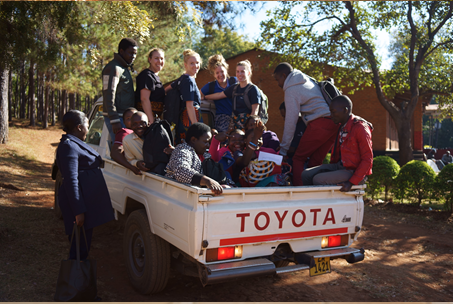
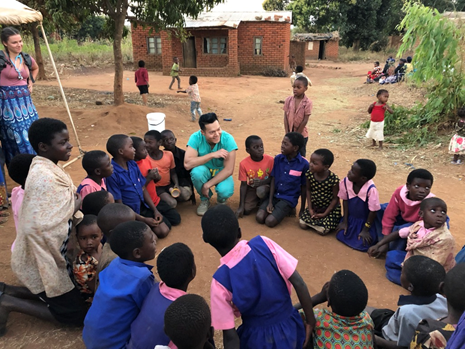
Volunteering locally is an incredible thing and has its own important role in our society. However, volunteering abroad will open your eyes to an entirely new world. Your mindset will most likely change, and at the very least be challenged. Local languages, foods, and a different way of life will truly be an educational adventure. On most abroad volunteer trips, spending time with local villagers is integral to the experience and they do everything they can to make volunteers feel welcomed. At the end of the trip, you may find it difficult to say goodbye.

Personal Growth

You will learn to not take things for granted that you have back home, whether it be a bed to sleep in, a car to drive or the friends and family you have in your life. New skills will be learned, and existing ones will become stronger. You will learn to become more responsible, patient, confident and determined. Working as a team is a huge part of volunteering abroad, which is a trait that will help you in whatever career path you are on.

The Takeaway

Upon return from volunteering abroad and when planning future trips, you may find yourself looking for more than just a typical vacation. It is very possible to fall in love with a volunteer experience abroad, so for those with the financial means, annual trips become part of who they are. No matter how many times you can donate your time and talents to those in need, the positive impact on your life and the lives of those you meet is indelible.

Dr. Barbara Edwards, Princeton internist practices at Penn Medicine Princeton Health in the Penn Medicine Princeton Medical Center and also serves as Medical Director of the Bristol-Myers Squibb Community Health Center.

Fruits and Vegetables for Heart Health

healthy fruits and vegetables

We’ve known for centuries that incorporating fruits and vegetables into your daily diet has huge benefits to your body’s health. Not only are they delicious and often easy to make, but they are packed with nutrients like fiber, vitamin A and C, potassium and so much more. These vitamins are known to help prevent cancer, heart disease and many other illnesses. It is especially important to integrate these foods into your diet in order to replace unhealthier options full of empty calories and high in bad fats.

Fruit & Veggie Servings

Your first goal should be to hit the American Heart Association’s recommendation of 4 ½ cups of each per day. After you do that, strive to add more color to your plate by incorporating new fruits and vegetables. This ensures that you are getting a whole spectrum of nutritional goodness. There are five main color groups of fruits and vegetables:

Red & Pink

Beets, tomatoes, red peppers, cherries, raspberries and strawberries

Blue & Purple

Eggplant, red cabbage, blueberries, grapes and plums

Green

Asparagus, broccoli, kale, zucchini, pears, kiwi and avocados

White & Brown

Cauliflower, garlic, onions, shallots, mushrooms and bananas,

Yellow & Orange

Squash, carrots, sweet potatoes, cantaloupe, lemons, oranges, and peaches

Heart Health

According to research that Harvard Health is keeping a close eye on, consuming 10 servings of fruits and vegetables a day can decrease your risk of heart disease by 28 percent, and your risk of an early death by 31 percent. These findings were compared to five servings a day which amounts to about two and a half cups, and the risk of having a heart attack or stroke was only slightly lowered.

As mentioned before, fruits and vegetables are packed with fiber that appears to be the driving factor in lowering cholesterol, blood pressure levels and increased blood vessel functions. Because of the beneficial properties the fiber in fruits and vegetables can provide, try not to “drink” your vegetables by juicing them.

Dr. Barbara Edwards, Princeton internist practices at Penn Medicine Princeton Health in the Penn Medicine Princeton Medical Center and also serves as Medical Director of the Bristol-Myers Squibb Community Health Center.

Sources:

SNAP Education

American Heart Association

Harvard Health