The Importance of Social Connections for Longevity

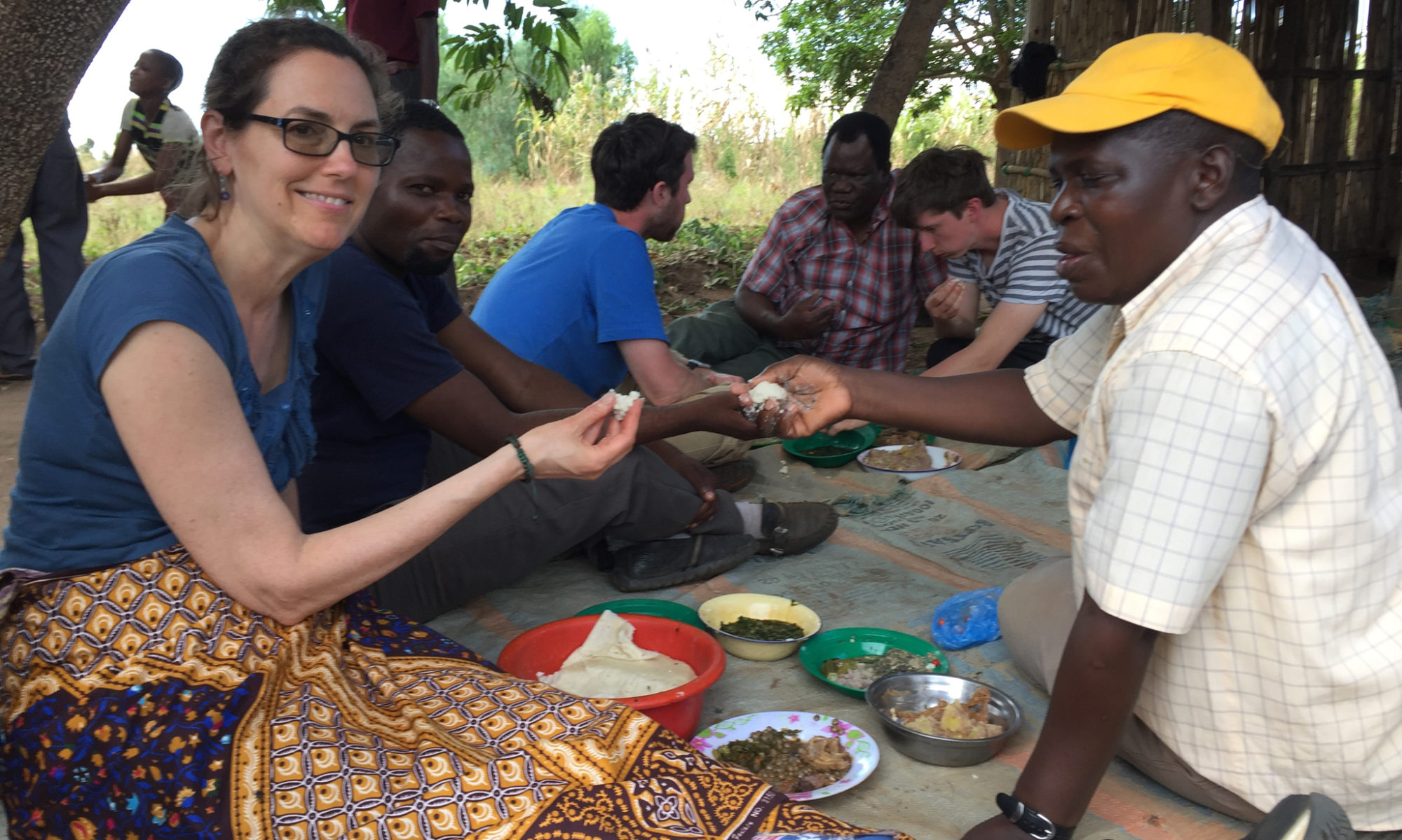
Older couple smiling with friends at a dinner table outdoors

When discussing factors that contribute to a long and healthy life, most people immediately think of diet, exercise, and genetics. However, one often overlooked yet essential aspect of longevity is social connection. Numerous studies have shown that maintaining strong relationships and a sense of community can significantly enhance overall health and extend lifespan.

The Link Between Social Connection and Longevity

Research has consistently found that people with strong social connections tend to live longer than those who are isolated. Loneliness and social isolation have been linked to increased risks of chronic diseases such as heart disease, high blood pressure, and even cognitive decline. A study conducted by Harvard University over the course of 80 years revealed that quality relationships are one of the strongest predictors of long-term health and happiness. Social bonds provide emotional support, encourage healthy behaviors, and reduce stress, all of which contribute to longevity.

How Social Connections Improve Mental and Physical Health

Social interactions do more than just provide companionship—they actively improve physical and mental well-being. Engaging with friends and family can reduce levels of cortisol, the stress hormone, which in turn lowers inflammation and the risk of disease. Moreover, staying socially active has been linked to improved cognitive function and a lower risk of dementia in older adults. Conversations and meaningful interactions stimulate the brain, keeping it engaged and sharp over time.

Ways to Strengthen Social Connections

Building and maintaining relationships requires effort, but the benefits are well worth it. Simple actions like reaching out to old friends, participating in community activities, and joining clubs or support groups can help foster a strong social network. For those who struggle with in-person interactions, technology has made it easier than ever to stay connected through video calls and social media. Volunteering and engaging in shared hobbies can also help forge new relationships that provide emotional and social support.
Investing in relationships is just as important as maintaining a healthy diet and exercise routine. By prioritizing social connections, individuals can not only enhance their quality of life but also add years to it.
Dr. Barbara R. Edwards is a practicing internist at Penn Medicine Princeton Health and the Academic Director for the Ambulatory Residency Program at the same institution.

How to Manage Anxiety as School and Work Routines Ramp Up

manage anxiety

As the long, easygoing days of summer come to a close, September can feel like hitting the gas pedal. School starts back up, work gets more intense, calendars fill up, and suddenly—life feels like a whirlwind. For many people, this seasonal shift brings a fresh wave of stress and anxiety.
If you’re feeling it too, you’re not alone.
Whether you’re a parent juggling school drop-offs and work deadlines, a student overwhelmed by assignments, or someone just trying to adjust to a faster pace—“September stress” is real. But the good news is, there are practical ways to manage it without burning out.

Why September Feels So Overwhelming

There’s a reason why this time of year feels like pressure is mounting. After a more relaxed summer schedule, September often brings:

  • Earlier mornings and more rigid routines
  • Increased responsibilities at work or school
  • Less daylight and the start of shorter days
  • A shift in social or extracurricular commitments

That sudden change can take a toll—mentally and physically. For some, it triggers feelings of anxiety, fatigue, irritability, or even sadness. And if you’re someone who already struggles with anxiety, this shift can make things feel worse.

Recognizing the Signs of Stress and Anxiety

First, it’s important to recognize when what you’re feeling might be more than just “a busy week.” Stress and anxiety can look different for everyone, but some common signs include:

  • Trouble sleeping or staying asleep
  • Feeling constantly tense, overwhelmed, or on edge
  • Racing thoughts or difficulty focusing
  • Changes in appetite (eating too much or too little)
  • Physical symptoms like headaches, fatigue, or stomach issues

If you’re noticing any of these, it’s your body and mind’s way of saying: “Something needs attention.”

Tips to Manage Stress


1. Get Ahead of Your Schedule—Not Buried by It

The first step to managing anxiety around routine changes is to plan with intention. Take 10–15 minutes on Sunday evening to:

  • Map out your week
  • Note important appointments or deadlines
  • Build in breaks and buffer time where possible

Having a visual guide—even a simple one—can reduce decision fatigue and make your days feel more manageable.

2. Start Your Mornings With a Calm Routine

How you start your day can set the tone for everything else. Instead of waking up and immediately diving into emails or to-do lists, try a gentler start:

  • Wake up 15 minutes earlier for some quiet time
  • Stretch, journal, or drink water before checking your phone
  • Try breathing exercises or a short meditation to ground yourself

You don’t need an hour-long morning routine—just a few intentional minutes can make a big difference.

3. Don’t Skip Sleep—Protect It

When stress ramps up, sleep often suffers. But getting enough rest is crucial for mental clarity and emotional regulation.

  • Aim for 7–9 hours of sleep per night
  • Stick to a consistent sleep/wake time, even on weekends
  • Limit caffeine after 2 PM and avoid screens at least 30 minutes before bed

If your mind races at night, try writing down your worries before bed to “park” them until morning.

4. Move Your Body, Even in Small Ways

Exercise is one of the best natural ways to reduce anxiety. You don’t need to hit the gym every day—just 20–30 minutes of movement can release feel-good endorphins and calm your nervous system.

  • Take a walk after lunch
  • Do a 10-minute stretch video
  • Try yoga or light cardio at home

The key is consistency, not perfection.

5. Be Mindful of What You’re Saying to Yourself

Self-talk plays a big role in how we experience stress. If your inner dialogue is full of pressure, judgment, or “I should be doing more,” anxiety tends to grow.
Try shifting your thoughts with phrases like:

  • “I’m doing the best I can right now.”
  • “It’s okay if everything doesn’t go perfectly.”
  • “This feeling is temporary. I’ve handled hard things before.”

Being kind to yourself isn’t lazy or weak—it’s essential to resilience.

6. Make Time for Breaks—Really

It might feel counterintuitive when your to-do list is overflowing, but regular breaks actually help you stay focused and less anxious. Step away from your screen, take a walk, breathe deeply, or even do nothing for five minutes.
You’re a human—not a machine.

7. Talk About It

Sometimes, just saying “I’m feeling overwhelmed” out loud can be a huge relief. Talk to a friend, a partner, or a mental health professional. You’re not weak for needing support—you’re human.
If your anxiety feels unmanageable or starts to interfere with daily life, don’t hesitate to reach out to a doctor or therapist. Help is available, and it works.

Final Thoughts: Give Yourself Grace This September

The shift into a busier season can be tough—but it doesn’t have to derail your well-being. With a little planning, a few healthy habits, and some self-compassion, you can ease the pressure and take care of your mind and body as things ramp up.
Remember: It’s okay to not have everything perfectly balanced. What matters most is that you’re showing up, doing your best, and taking care of yourself along the way.
Dr. Barbara R. Edwards is an experienced Penn Medicine Princeton Health internist who has practiced medicine for over 25 years. She is also the academic director of the Ambulatory Residency Program at Penn Medicine Princeton Health.

How Strength Training Affects Metabolism

Person lifting weights in gym with high-energy posture

Most people think of strength training as a way to build muscle. That is true, but what a lot of people don’t realize is that it also fires up your metabolism. The more muscle you have, the more calories you burn—even when you’re just sitting around.

More Muscle = More Calories Burned

Muscle is a high-maintenance tissue. It takes more energy to keep it going compared to fat. That means the more muscle you build, the more calories your body naturally burns throughout the day. Even when you’re not working out.

Your Body Keeps Burning Calories After You Train

Cardio burns calories while you’re doing it. But strength training? It keeps burning long after you stop. This is called the afterburn effect (EPOC)—basically, your body works overtime to recover, which means extra calorie burn for hours.

Better Blood Sugar Control & Energy Use

Lifting weights doesn’t just help with strength—it makes your body better at using energy. Instead of storing extra sugar as fat, your muscles soak it up and put it to use. This helps lower the risk of type 2 diabetes and keeps everything running smoothly. Plus, strength training balances key hormones that affect metabolism, like testosterone and growth hormone.

Why It Matters

Strength training isn’t just about lifting weights—it’s about keeping your metabolism in high gear. More muscle, better calorie burn, and smarter energy use all add up to a healthier, more efficient body.
If you want to keep your metabolism working for you, strength training should be part of your exercise routine.
Dr. Barbara R. Edwards is a practicing internist at Penn Medicine Princeton Health and the Academic Director for the Ambulatory Residency Program at the same institution.

Boosting Immunity Before Fall: Simple Wellness Practices to Start Now

Boosting Immunity

August is that weird in-between month where you’re still rocking flip-flops but starting to eye that pumpkin spice latte. With fall around the corner, cold and flu season is creeping up like an uninvited guest. Nobody wants to spend September sniffling through meetings or chasing kids with a tissue box. You can start strengthening your family’s immune system now, before the first leaf falls. No need for fancy supplements or a PhD in nutrition—just some simple, do-able practices that fit into your already-packed life. Here’s how to gear up for a healthier fall, August-style.

Eat Like Your Immune System’s Watching

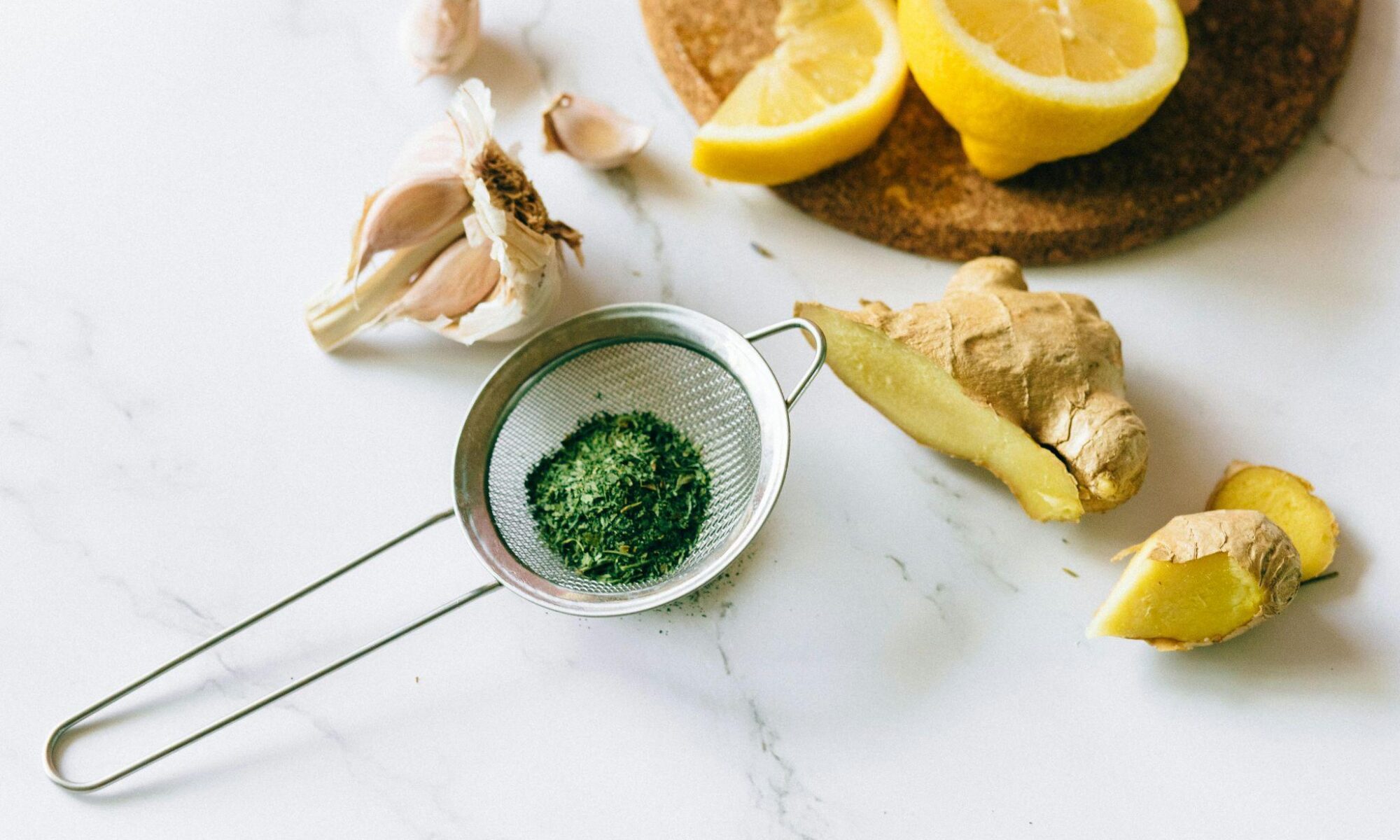
Your kitchen is your first line of defense, and August’s fresh produce is the key for immunity. Think vibrant fruits and veggies—berries, tomatoes, zucchini, and peaches are still everywhere. These are loaded with vitamins C and A, which help your body fight off bugs. Toss some cherry tomatoes into a salad, blend peaches into a smoothie, or let the kids munch on sliced bell peppers with hummus. It’s not about being a gourmet chef; it’s about sneaking in the good stuff.
Don’t sleep on zinc and vitamin D either—they’re like the bouncers of your immune system. Grilled chicken, chickpeas, or even a handful of pumpkin seeds are great zinc sources. For vitamin D, get outside for 15 minutes of sun or add salmon or eggs to your dinner rotation. If you’re feeling extra, sip on a warm mug of bone broth—it’s cozy and packed with nutrients. Pro tip: batch-cook a big pot on Sunday, and you’ve got a week of immune-boosting soup ready to go.

Move It to Boost It

Exercise isn’t just for fitting into your skinny jeans—it’s an immunity hack. A quick 30-minute walk, bike ride, or even a silly dance party in the living room gets your blood pumping and your immune cells circulating. August’s warm evenings make it easy to head outside. Grab the kids and play tag, or take the dog for a loop around the block while you catch up on that podcast you’ve been ignoring.
No need to go full gym-bro. Even light movement, like stretching while the kids do their homework, tells your body to stay sharp. Studies show moderate exercise can cut your risk of colds, so aim for most days of the week. If your schedule’s a circus, split it up—10 minutes of jumping jacks here, a quick yoga flow there. Make it fun, not a chore. You’ll also sleep better, which is another immune-system win.

Sleep Like It’s Your Job

Speaking of sleep, it’s the hero of staying healthy. When you’re snoozing, your body’s busy repairing and prepping your immune system for battle. Kids need 9-12 hours, and adults should aim for 7-9. But August’s heat and back-to-school stress can make bedtime seem impossible. Set the tone: dim the lights, read a story, or play some soft music. If your teen’s glued to their phone, negotiate a screen curfew—trust me, they’ll thank you when they’re not zombies at school.
For parents, resist the urge to doom scroll at midnight. Try a quick wind-down trick, like sipping chamomile tea or doing a two-minute meditation. Keep the bedroom cool—crack a window or crank the fan to beat the August humidity. A good night’s sleep is like hitting the reset button for your body’s defenses, so don’t skimp on it.

Stress Less, Thrive More

Stress is the enemy of the immune system. With school coming up, everyone’s feeling the pressure—kids stressing about new classes, you stressing about carpools and that work deadline you forgot. Keep it simple: carve out five minutes for deep breaths. Teach the kids too—it’s a game-changer for meltdowns. Teens might vibe with journaling or a quick gratitude list.

Small Steps, Big Wins

Building immunity doesn’t mean overhauling your life. It’s about little tweaks that add up, like tossing spinach in your smoothie or taking a sunset stroll. Get the family involved—let the kids pick a new fruit to try or challenge everyone to drink more water. August is your warm-up for fall, so keep it light and fun. Celebrate the wins, no matter how small.
With a few easy habits, you’re setting your family up to breeze through fall without a tissue in sight. So grab a peach, lace up your sneakers, and start boosting those defenses today. Here’s to a healthy, happy season ahead!
Dr. Barbara R. Edwards is an experienced Penn Medicine Princeton Health internist who has practiced medicine for over 25 years. She is also the academic director of the Ambulatory Residency Program at Penn Medicine Princeton Health.

How Food Affects Your Immune System

Colorful fruits, vegetables, and yogurt arranged in the shape of a shield

Your immune system is always working, whether you notice it or not. But like anything else, it needs the right fuel. What you eat can help your body fight off infections—or make it work harder than it should be.

Nutrients That Help Your Immune System

Some vitamins and minerals are key when it comes to keeping your immune system strong. A few of the big ones:

    • Vitamin C – Helps your body make white blood cells. Found in citrus fruits, bell peppers, and strawberries.
    • Vitamin D – Keeps immune cells working right. Get it from sunlight, fatty fish, and fortified dairy.
    • Zinc – Helps your body fight off infections and heal faster. Found in nuts, seeds, and meat.
    • Antioxidants – Reduce inflammation and keep your immune system running smoothly. Found in colorful fruits and veggies.

Gut Health & Immunity: What’s the Connection?

A huge part of your immune system is in your gut. If your digestion is off, your body’s defenses might be, too.

    • Probiotics – Found in yogurt, kimchi, and sauerkraut. They help keep gut bacteria balanced.
    • Prebiotics – Found in garlic, onions, and bananas. These feed the good bacteria so they thrive.

Keeping your gut healthy means better immunity overall.

What Can Weaken Your Immune System?

Just like some foods help, others can slow things down.

    • Too much sugar & processed food – Can cause inflammation and make it harder to fight off illness.
    • Unhealthy fats – Found in fried and processed foods, these can mess with immune function.
    • Too much alcohol & caffeine – Can throw your body out of balance, making you more vulnerable to infections.

The Bottom Line

What you eat matters. A diet packed with whole foods, vitamins, and gut-friendly nutrients helps keep your immune system strong. Small changes—less junk, more real food—can make a big difference in how well your body defends itself.
Dr. Barbara R. Edwards is an experienced Penn Medicine Princeton Health internist who has practiced medicine for over 25 years. She is also the academic director of the Ambulatory Residency Program at Penn Medicine Princeton Health.