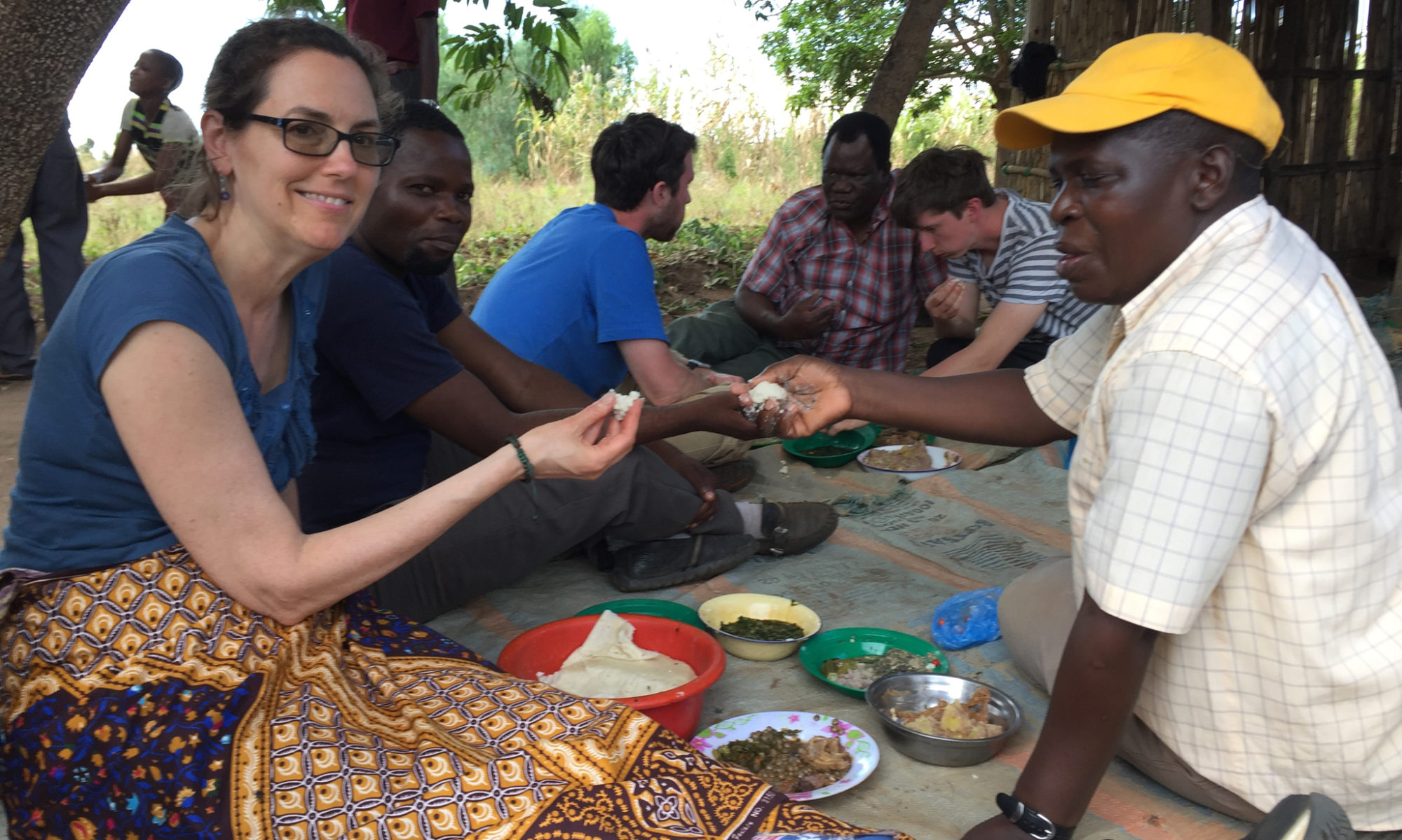


Dr. Barbara R Edwards July 2019 Malawi Volunteer Experience – Children

the children of Malawi walking down a dirt road towards Dr. Barbara Edwards Princeton

This past July I volunteered with Villages in Partnership (VIP) on a second medical mission trip to Malawi, Africa. I went as part of a team of 26 Americans and over 50 Malawians; a combination of physicians, dentists, nurse practitioners, nurses, nursing students and community workers who set up 3 pop up clinics in remote rural villages without electricity or running water.  I was a bit nervous before I left on the trip but once I arrived, I was so delighted to be there!  The people of Malawi are incredibly warm and inviting and we were greeted with enthusiasm and open arms.

Dr. Barbara R Edwards, Princeton internist, taking care of a sick child in Malawi

One of the best parts of the trip was being surrounded by children.  Over 45% of Malawians are under the age of 15 so there were children everywhere. (1) During the clinics many of the patients were children too.  We saw children with malaria, upper respiratory infections, gastrointestinal infections and rashes.  I learned that worms were a common cause of persistent vomiting in children and that any child with malaria was also at risk for getting a bacterial bronchitis. We saw children with burns from falling into cooking fires while playing, children with epilepsy who struggled to get medications to keep from having seizures and children born with HIV who were maintained on HIV medications.

Dr. Edwards, Princeton internist, sitting with the children of Malawi

I saw one child who had developed a partial paralysis after a viral infection.  She was 2 but had never learned to walk or crawl because she was weak from the waist down.  With the help of the VIP community workers I arranged to have her seen in the nearest hospital in the city of Zomba by a neurologist.  She needed physical therapy and a walker. This was not easy as it required transportation and the money for the consultation and any further treatment.  In September I learned that she had been to see the neurologist, was getting the needed physical therapy and was learning to walk with the walker.  How amazing that we were able to help this child!

Dr. Barbara Edwards, Princeton internist, greeting the Malawi children

In addition to the children who were patients, we were surrounded by children who wanted to play.  Luckily, the nursing students had enough energy to keep up with them.  We brought inflatable balls and frisbees with us, but the favorite game was Duck, Duck, Goose! This game went on for hours. Even some of the doctors played during their breaks.  Whenever we went out, the children would run up to us and hold our hands as we walked. The older children would speak with us and practice their English as we walked along.  They have learned English in school but rarely have the chance to practice in real conversations.

Dr. Barbara R Edwards, Princeton internist, surrounded by the children of Malawi

With so many children, it is important that they get an education, and this is one of VIP’s highest priorities. (2)  VIP has worked hard to improve the educational resources available to the children in the region.  It has helped to rebuild schools, started preschools in the area, distributed solar lamps so that the children can study at night, and sponsored students who cannot afford their school supplies.  VIP also sponsors students to go to the University.  These students then go on to become teachers, nurses, or medics who come back and work for VIP to give back to the region.  They are currently raising funds to build a middle school in the area and a permanent medical clinic.  They are doing amazing work!


  1. https://www.indexmundi.com/malawi/demographics_profile.html


  1. https://villagesinpartnership.org/six-critical-needs/education/


Dr. Barbara Edwards, Princeton internist, Shares Her Experiences in Malawi

Why Volunteering is Good for The Soul

Dr. Barbara R Edwards volunteering in Malawi

Volunteerism brings tremendous joy to those who get fulfillment out of helping others that are less fortunate. This act of service has several benefits that are both great for human health, and great for those who receive this assistance. Below are some of the benefits that one can experience when helping those in need.

Enhances Physical, Emotional, & Mental Well-Being

Volunteering has been proven to lower anxiety and depression, improve self-confidence, and minimize stress. Those who frequently help others often experience a “helper’s high” which is a euphoric rush that increases endorphins. On top of these benefits, volunteering also gives people health benefits which include a reduced risk of cardiovascular disease and diabetes, as well as lower cholesterol levels and an improved immune system. With all of these amazing benefits, it’s shocking that more people don’t spend time volunteering!

Positive Impact on Community

Volunteering brings positive effects and changes to communities which make it a better place to be. In times of hardship, volunteering can bring people together and unite the community as one. Even small amounts of time or money donated by volunteering can have a huge, positive impact on a community

Impresses Job Prospects

In addition to establishing credibility on a resume, volunteering increases communication and interpersonal skills by allowing people to interact with their community members more, meet new people, and expand their network. Being surrounded by new people in new environments gives volunteers the opportunity to develop their social skills. Volunteering provides the opportunity to discuss different life experiences while at the same time relating to those who have shared the similar stories.

Dr. Barbara R Edwards, Princeton internist practices at Penn Medicine Princeton Health in the Penn Medicine Princeton Medical Center and also serves as Medical Director of the Bristol-Myers Squibb Community Health Center.


How Weight Affects the Health of Your Heart

purple vegetables made into the shape of a heart

It may sound obvious, but a person’s weight may have a dramatic effect on their overall health, especially the health of their heart. Excess weight may be dangerous for your heart because it increases the risk for conditions that lead to heart disease, such as high blood pressure, high cholesterol, and diabetes, but that’s not the only reason.

According to Harvard Health, the fat located in your abdomen, otherwise known as visceral fat, lies deep enough to surround your organs and disrupt their function. The fat around the belly is especially metabolically active, this means it creates several factors, such as hormones, that increase the risk for heart disease. Although this may sound scary, if you are proactive with your diet and health, you can lower your risk of metabolic syndrome and heart disease.

How to Fight Back from Metabolic Syndrome

  • Reduce the amount of candy, cookies, and white bread you eat. Eating a great amount of simple carbs may increase central obesity.
  • Practice portion control on a regular basis. As silly as it sounds, you can trick your brain into thinking you’re eating more and feel fuller by eating your meals on a salad plate. Also, most restaurants have a tendency to give meal portions that are too large. If you eat a half or third of your meal, you can cut your calorie intake greatly, and have leftovers for another meal!
  • Make sure you are keeping yourself moving on a regular basis. Briskly walking for 30 minutes a day can help you burn about 150 calories a day!

If you are concerned with the health of your heart, make sure you contact your doctor to get the necessary tests and treatments to keep your heart healthy for years to come.

Dr. Barbara Edwards, Princeton internist practices at Penn Medicine Princeton Health in the Penn Medicine Princeton Medical Center and also serves as Medical Director of the Bristol-Myers Squibb Community Health Center.
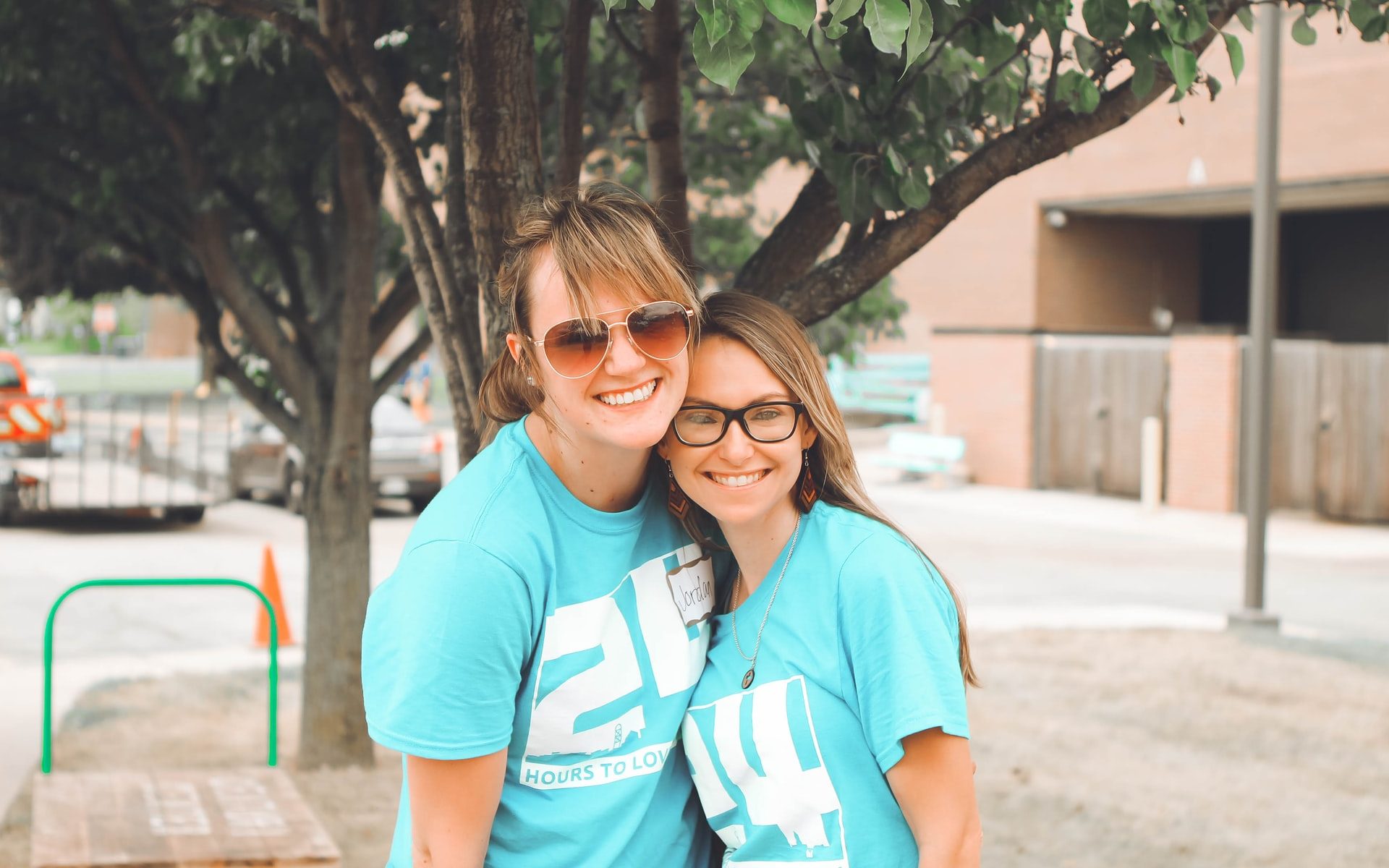
Volunteer Opportunities for the Disabled

mother father and disabled son hugging

There are people who think that disabled people can only be the recipient of volunteerism and not the benefactor, but this ideology is just not true. Volunteering is beneficial to every person no matter their age, race, gender, or disability. Although there are obstacles that disabled people may face while volunteering, such as inaccessibility of volunteer locations or lack of transportation, there are many opportunities out there for those who are disabled or handicapped that want to volunteer. Some examples of volunteer opportunities for the disabled include:

  • Serving meals at soup kitchens
  • Stocking shelves at food pantries
  • Preparing and providing meals to seniors
  • Cleaning up parks and helping keep communities beautiful
  • Volunteering at animal shelters
  • Volunteering at nursing homes

People choose to volunteer every day to obtain new skills, build their confidence, and gain work experience. Volunteering is a great way to better yourself and build connections and networks of support. If you are interested in learning more about the volunteerism opportunities in your community, contact your local government, or do a quick online search! The volunteer possibilities are endless.

Dr. Barbara Edwards, Princeton internist practices at Penn Medicine Princeton Health in the Penn Medicine Princeton Medical Center and also serves as Medical Director of the Bristol-Myers Squibb Community Health Center.

How Exercise Can Benefit Your Heart

Dr. Barbara R Edwards Princeton woman running during sunset

It is no secret that exercise is one of the greatest gifts you can grant your body. Exercise can promote fat loss and muscle growth, increase energy and brain health, decrease chronic disease risk, and help your body function at its full potential. However, the immense benefits exercise has on your heart are often overlooked.

The Benefits of Exercise on Your Heart

Being overweight puts you at a greater risk for heart-related medical issues, therefore losing weight and keeping it off plays a big role in keeping your heart healthy in the long-term. According to Hopkin’s Medicine, high blood pressure is a major risk factor for heart disease. Regular exercise can help to lower your blood pressure and slow the heart rate.

Smoking can also cause many heart-related medical issues. Getting in shape can go hand in hand with your battle to quit smoking because increasing your fitness level can decrease your desire to smoke. Not only can exercise help you quit smoking, but it can play an integral role in managing your stress level. High stress may take a toll on your heart and exercise can help keep you calm, cool and collected through everything life may throw your way.

For optimal heart health, it is recommended that you incorporate a mix of aerobic exercise and strength training into your exercise routine. Do your heart a favor and contact your doctor to find an exercise routine that is right for you!

Dr. Barbara R Edwards, Princeton internist practices at Penn Medicine Princeton Health in the Penn Medicine Princeton Medical Center and also serves as Medical Director of the Bristol-Myers Squibb Community Health Center.