

Daily Exercises to Move Your Body

It is essential to get some movement and exercise in your daily routine for improved general health. There are basic movements from which everyone can benefit or modify based on your physical abilities. These functional movements are the basis for many exercise routines. Below are seven basic movements you can practice every day with links to video demonstrations for each exercise.

  1. Squat

The bodyweight squat is a simple movement pattern that can be altered by the level of support, range of motion, and resistance. Learning the correct squat form is easy: while keeping your back straight, sit down and stand back up.

  1. Lunge

The lunge is a movement pattern used while walking, ascending the stairs, and bending down to pick something up. Adjust the intensity of the lunge motion through the level of support, range of motion, or resistance.

  1. Hinge

Practice a hinge with a deadlift movement, like picking up a heavy bag of groceries or a packed suitcase. The deadlift movement strengthens the posterior chain, essential for most daily movements. The range of motion and resistance can easily be adjusted by adding more weight.

  1. Push

An exercise like the pushup is the most straightforward upper body push movement, although it can be difficult for people some. The video shows some easier variations to the standard pushup.

  1. Pull

Pulling exercises help strengthen the back and shoulders. The linked video offers variations that are easier than traditional pull ups. As with the push version, the resistance band pull can also be done from a seated position if necessary.

  1. Rotate

Rotation exercises are effective in developing both rotational strength and balance. Like the resistance band push and pull, it can be performed from a seated position if necessary.

  1. Walk

The ability to walk unaided is an essential part of a healthy lifestyle. It is so important that it should be a part of any training program, particularly one for beginners. The linked video above offers a beginner routine you can do in your own home.

Dr. Barbara Edwards, a Princeton M.D. internist practices at Penn Medicine Princeton Health in the Penn Medicine Princeton Medical Center and also serves as Medical Director of the Bristol-Myers Squibb Community Health Center.

Simple Changes towards a Low Salt Lifestyle

Has your doctor recommended that you should start a low-sodium diet? You might find it to be a challenge, as it seems that sodium is in everything we eat. The typical American eats a fair amount of fast food and an equally dangerous amount of comfort foods at home. These foods, such as canned soups, crackers, salsas, and of course potato chips tend to be high in sodium. It is typically recommended that your dietary intake of sodium remains between 2,000 and 3,000 milligrams per day. Remember, your goal is not to eliminate all the salt entering your system; after all, the human body needs some sodium to survive. The goal is to get your sodium levels to a healthy range. Here are some helpful tips to get you started.

  1. Stop adding salt to the food you eat. Put your salt shaker away in a hard to reach place. Old habits are harder to break if you feel like you are depriving yourself. So instead, start to experiment. Fill the shaker with salt-free herbs and spices such as basil, oregano, lemon pepper, garlic, onion, or parsley. Try different combinations until you find one that you enjoy.
  2. Buy a pepper mill and try grinding your own fresh pepper from an array of peppercorns, such as: tellicherry, lampong, white, green, sichuan, or pink peppercorns. If you haven’t tried freshly ground whole peppercorns on your food before, you are in for an amazing experience.
  3. Learn to read food labels. By comparing product labels side-by-side, you will see some notable differences between products that seem identical. Generally speaking, packaged foods will have higher levels of sodium than fresh foods, but you can learn to make healthier choices when choosing canned or frozen foods if you know what to look for.
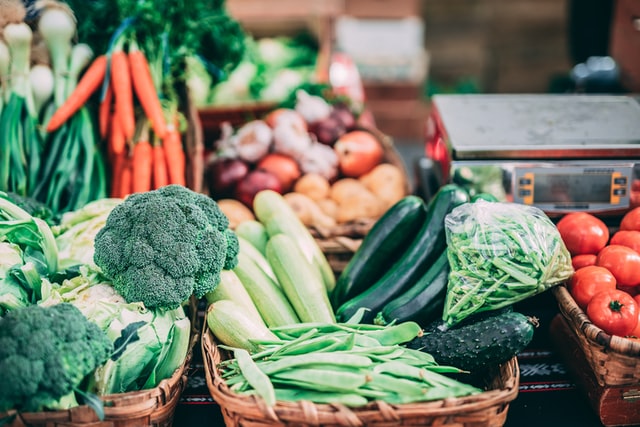
  4. Eat more fresh food. Fresh fruits and vegetables are naturally low in sodium. You can eat as much as you’d like and not have to worry about clogging your arteries. Fresh, lean meat, fish, and chicken also tend to be low in sodium.
  5. Start fully experiencing the use of herbs in your cooking. Herbs are a great substitute for salt. Find recipes and experiment with fresh herbs to expand your cooking repertoire.

Changing your eating habits will not be easy at first, so start with small changes. Start by targeting just one meal a day. After you have established that habit, then do the same for a second meal. It will take some weeks before you build a good understanding of which foods are low in sodium, but you will with time. Eventually, as your taste buds adjust to your new diet, you will crave salt less as you have been exposed to a world of new tastes and flavors.

Dr. Barbara Edwards, a Princeton M.D. internist practices at Penn Medicine Princeton Health in the Penn Medicine Princeton Medical Center and also serves as Medical Director of the Bristol-Myers Squibb Community Health Center.

Mediterranean Meal Ideas

A Mediterranean diet is an excellent way to maintain a healthy weight. Here are seven meal ideas with links to recipes to get you started.

  1. Greek-Style Baked Cod with Lemon and Garlic

Lemon juice, garlic, olive oil, and a mix of Mediterranean spices give this dish its wonderous flavor! This simple recipe can be ready to serve in just over 20 minutes.

  1. Chicken Shawarma

Chicken shawarma is a favorite of Middle Eastern street food. Shawarma’s flavor comes from a homemade mixture of spices.

  1. Moroccan Vegetable Tagine

This homemade vegetable stew is filled with warm Moroccan flavor. This delicious dish is simple, vegan, and gluten free.

  1. Easy Seafood Paella

This version of seafood paella is modern and simple to make. You’ll absolutely love it! And unlike many classic paella recipes, no special pan is required. Follow this step-by-step tutorial and watch the video to try out this recipe for yourself.

  1. Spanakopita

Spanakopita is a Greek spinach pie made up of layers of flaky phyllo with spinach, onions, cheese, and herbs. This dish is simpler to make than many would believe. Try out the recipe and tutorial for a new cooking experience.

  1. Chicken Souvlaki

A favorite for many, chicken souvlaki’s flavor comes from its marinade. As a bonus, the same recipe for the tzatziki sauce can also be used for pork!

  1. Briam

Greek briam, similar to ratatouille, is a traditional Greek roasted vegetables dish. It is made up of a mix of vegetables that are baked using simple flavors.

Dr. Barbara Edwards, a Princeton M.D. internist practices at Penn Medicine Princeton Health in the Penn Medicine Princeton Medical Center and also serves as Medical Director of the Bristol-Myers Squibb Community Health Center.

Benefits of a Vegetarian Diet

While eating meat provides many necessary nutrients for the human body, the vegetarian approach can still support a healthy, varied diet. People become vegetarians for many different reasons, either wanting to incorporate healthier foods to their diets, for ethical reasons,  and environmental sustainability. Whatever the reason, starting a vegetarian diet can have many beneficial impacts on your health, if done in a healthy and manageable way.

Health Benefits

A vegetarian diet reduces the risk of chronic degenerative diseases such as obesity, coronary artery disease, high blood pressure, diabetes and certain types of cancer including colon, breast, prostate, stomach, lung and esophageal cancer. Preventing these diseases may lead to a longer life expectancy. Additionally, going vegetarian may help manage weight, since a plant-based approach incorporates fewer calorie heavy meals. In an experiment done by the Medicine Research Institute, overweight people that went on a vegetarian diet lost an average of 24 pounds within the first year!

What foods does a Vegetarian diet consist of?

When going vegetarian, people focus on eating plant-based foods. Typically, vegetarians do not eat meat or fish but will still consume dairy products. By sticking to whole foods, vegetarians eat high amounts of nutrients and fiber. While there are many benefits to the vegetarian diet, it is crucial to plan ahead, as deficiencies in vital nutrients such as iron and vitamin B-12 can occur.

Why should I try this diet?

For the health reasons listed, as well as a more sustainable diet for the environment, going vegetarian may be a great option for you. To start, slowly reduce the amount of meat you consume each week in order to gradually transition into the new way of eating. Also, plan accordingly to make sure you are eating foods that give you the necessary vitamins and minerals. When done correctly, the vegetarian diet has had many positive impacts on people that have made the switch.

Dr. Barbara Edwards, a Princeton M.D. internist practices at Penn Medicine Princeton Health in the Penn Medicine Princeton Medical Center and also serves as Medical Director of the Bristol-Myers Squibb Community Health Cente

Incorporating the Mediterranean Diet into Your Lifestyle

More and more, people are becoming conscious of incorporating vegetables into their diet and overall going more “plant based”. In particular, the Mediterranean diet has increased in popularity for people who are becoming more aware of this heart-healthy lifestyle. This type of diet is approved by the World Health Organization, deeming to be “healthy and sustainable.” So why should you consider making this your diet?

What is the Mediterranean Diet?

The Mediterranean diet is a way of eating based on the traditional cuisine of countries bordering the Mediterranean Sea. With that being said, people who follow this way of eating often consume high amounts of fruits, vegetables, beans, seeds, nuts, whole grains, and olive oil. While these foods are the staples of the diet, people will also consume weekly amounts of poultry, fish, eggs and beans with moderate portions of dairy products and red meat. Overall, this diet is primarily plant-based with an emphasis on whole foods and healthy fats.

Why should I start the Mediterranean Diet?

Health Benefits

The health benefits associated with this diet can improve long-term health outcomes. Going plant-based can decrease your risk of cardiovascular disease and lower LDL (bad) cholesterol. Because the Mediterranean diet focuses on healthy fats, you will receive the unsaturated fats that may decrease triglycerides, the risk of stroke, heart failure, and blood clots.

Social Benefits

The Mediterranean Diet is very flexible, making it a sustainable lifestyle for those that choose to make the switch. People can still enjoy the foods they love while just adding an emphasis to plant based and whole foods. Unlike many diet fads, people find success with the Mediterranean diet because of how unrestrictive it is. Additionally, the diet allows red wine in moderation.

Overall, considering this switch in your eating habits will have a beneficial impact on your health and well-being!

Dr. Barbara Edwards, M.D. internist practices at Penn Medicine Princeton Health in the Penn Medicine Princeton Medical Center and also serves as Medical Director of the Bristol-Myers Squibb Community Health Center.