

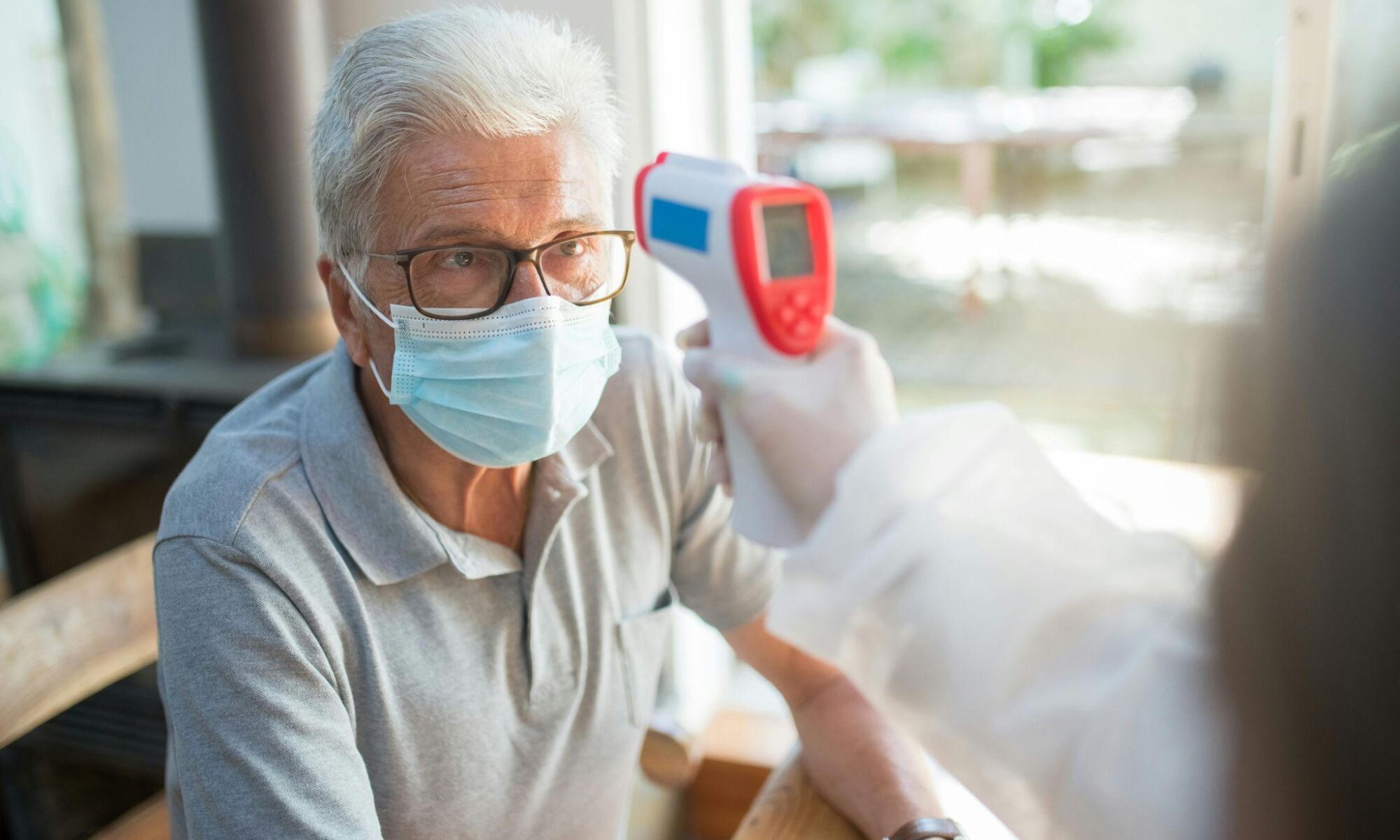
The beginning of a new year can be exciting and give you more energy and focus. A lot of people make resolutions during this time, like working out more, eating better, or putting their mental health first. But one important step that people often forget is to set up their yearly health checks. Putting preventive care on your January to-do list can help you have a healthier and more confident year.
Why screenings before problems happen are important
Preventive health screenings are meant to find medical conditions early on. Many diseases, like diabetes and some cancers, don’t show symptoms in the early stages. Screenings give your doctor a chance to find these problems early, when treatment is usually easier and works better.
Screenings are like investing in yourself. Routine screenings make sure your body is working properly and that small problems don’t turn into bigger health problems, just like checking your car’s oil keeps the engine from having problems.
The Advantages of Starting in January
Starting the year with a focus on health can be very powerful. This is why January is the best time to get your screenings:
A new beginning mindset— Most people want to reset and start living healthier after the holidays. Scheduling your screenings now is a great way to reach those goals.
Resetting Insurance Benefits – For a lot of people, the deductibles on their health insurance start over in January. If you start early, you can get the most out of your benefits all year long.
Peace of Mind: Knowing how your health is doing can help you feel less anxious and give you a clear path to getting better.
Early Detection Advantage: If something is found, acting quickly gives you more treatment options and better results.
Things You Should Get Screened For
Your age, gender, family history, and way of life all affect which screenings you need. But some of the most common ones are:
Checks for cholesterol and blood pressure are important for heart health and to stop heart disease.
Diabetes screening is very important if you are overweight or have a family history of diabetes.
Screenings for cancer, like mammograms, Pap smears, prostate exams, and colonoscopies.
Bone density tests are done to find osteoporosis early, especially in women over 65.
Vision and hearing tests are important for safety and quality of life, but they are often missed.
Skin checks: To find early signs of skin cancer, especially if you spend a lot of time outside.
Your doctor can help you choose the screenings that are best for your health.
Whole-Body Wellness: More Than Just the Basics
Screenings every year aren’t just for stopping disease; they’re also for promoting overall health. Your doctor can also keep an eye on your weight and BMI and talk to you about smart ways to manage your health during your check-up.
Look at your stress and mental health levels.
Check your medications to make sure they are still right for you.
Give vaccinations or boosters to keep you safe all year.
This whole-body approach makes sure you’re not only free of disease, but also working toward a healthier way of life.
Making Screenings a Healthy Habit
For a lot of people, the hardest part is just remembering to make appointments. Like filing your taxes or updating your calendar, make it a yearly habit. By linking it to January, you’ll have a reliable way to remember to put your health first.
You can also keep a health journal or a digital tracker that keeps track of each screening and its results. Not only does this help you stay organized, but it also helps your doctor see how your health has changed over time.
Being in charge of your health
If you want to take better care of yourself this year, annual screenings are the first step. They’re not just tests; they’re a way to protect your future, give you confidence in your health, and help you make smart decisions about your body.
This year, stop putting off your health and make it your top priority. By getting screened every year in January, you’re making sure that the next year will be stronger, healthier, and more lively.
Dr. Barbara R. Edwards is a practicing internist at Penn Medicine Princeton Health and the Academic Director for the Ambulatory Residency Program at the same institution.
The start of a new year often brings excitement, energy, and a renewed sense of focus. Many people take this time to set resolutions—whether it’s exercising more, eating healthier, or prioritizing mental wellness. But one important step often overlooked is scheduling your annual health screenings. Making preventive care a part of your January to-do list can set the stage for a healthier, more confident year ahead.