
When life gets hectic, it’s easy to put your health on the back burner—especially if you feel fine. But here’s the truth: a lot of serious health problems don’t show any warning signs at first. That’s why regular health screenings matter. They help catch things early, when they’re most treatable—and often before you even notice something’s wrong.
Still, knowing which screenings you actually need (and when) can be confusing. So, let’s make it simple. Here’s a breakdown of what men and women should keep an eye on through every stage of adulthood.
In Your 20s and 30s: Build a Healthy Foundation
You might feel invincible right now—and that’s great. But even in your healthiest years, it’s smart to stay on top of a few basics.
What to check:
-
- Get a yearly physical. It’s a chance to track things like weight, blood pressure, and heart rate.
- Keep an eye on blood pressure—high numbers can sneak up with stress or poor sleep.
- Cholesterol should be checked if you have a family history of heart disease, or other risk factors.
- STI testing if you’re sexually active.
- Don’t forget your mental health—check in with yourself regularly.
For women:
-
- Pap smears start at 21, every 3 years (or every 5 if you combine it with an HPV test after 30).
- Talk to your doctor about breast health, especially if you have a family history of cancer.
For men:
-
- Learn how to do testicular self-exams and speak up if something feels off.
In Your 40s: Start Looking a Little Closer
Around 40, things shift. You might start to notice subtle changes—in your energy, your vision, maybe your metabolism. That’s totally normal. It’s also a good time to expand your health checklist.
What to consider:
-
- Blood sugar testing to watch for early signs of diabetes.
- Keep up with cholesterol and blood pressure monitoring.
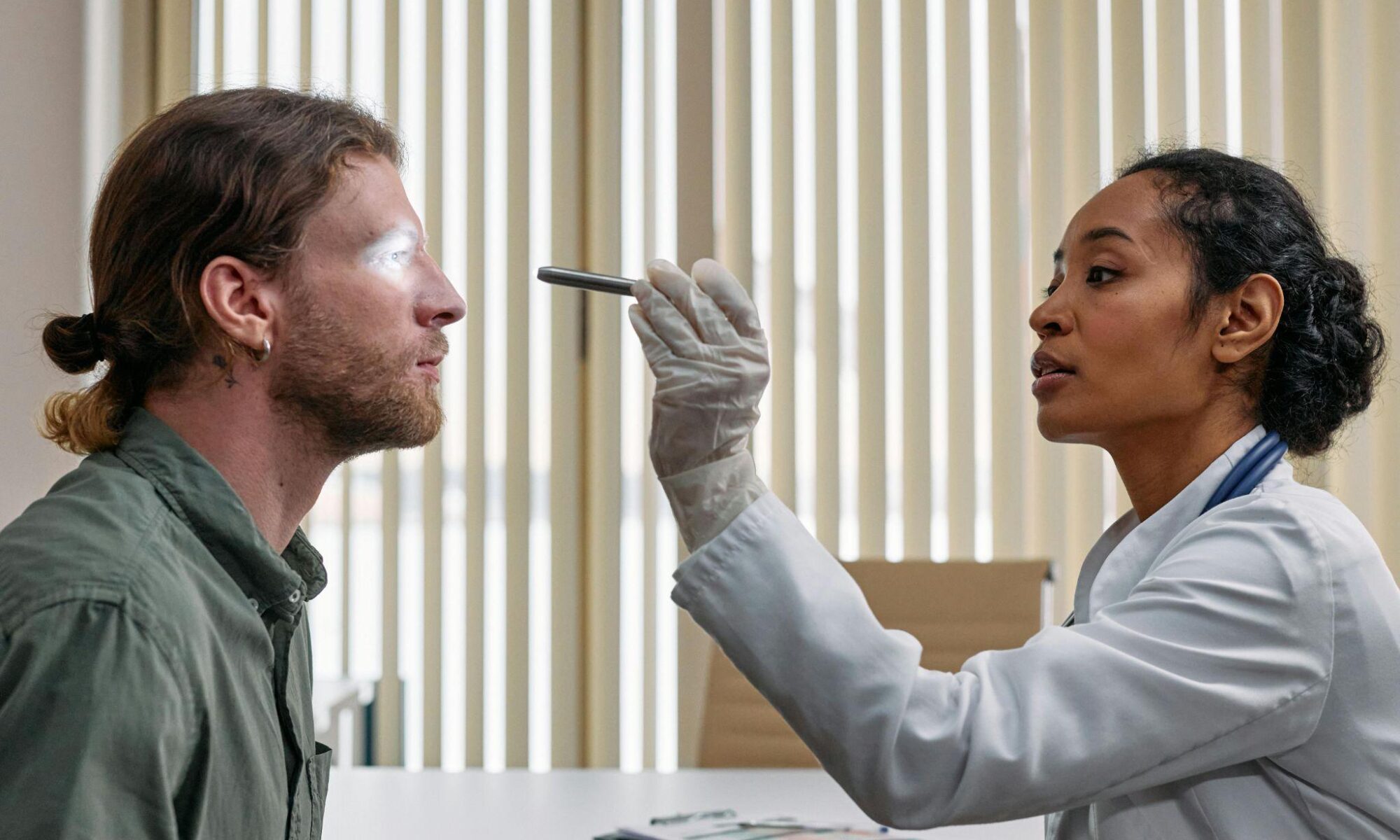
- Schedule an eye exam, even if you think your vision is fine.
- If you’ve got a family history of colon cancer, talk to your doctor about early colon screenings.
For women:
-
- You may need to start mammograms now—especially if breast cancer runs in your family.
- Keep up with Pap and HPV testing.
For men:
-
- Start the conversation about prostate health, especially if you’re at higher risk.
In Your 50s and 60s: Stay Ahead of Chronic Conditions
This is when prevention really becomes powerful. You’re still active and engaged—but now it’s about staying that way.
What’s important now:
-
- Get your first colonoscopy around age 45 or 50.
- Keep up with blood pressure, cholesterol, and blood sugar checks.
- If you’re a former smoker, ask about lung cancer screening.
- Hearing and vision tests become more useful for safety and comfort.
For women:
-
- Keep up with mammograms every 1–2 years.
- Bone density testing is often recommended after 65, but talk to your provider if you’re at risk earlier.
For men:
-
- Ask your doctor if a PSA test for prostate cancer makes sense for you.
In Your 70s and Beyond: Stay Independent and Comfortable
At this stage, it’s all about staying strong, safe, and connected. Your doctor may adjust screening schedules based on your lifestyle, health history, and how you’re feeling day-to-day.
What to focus on:
-
- Continue checking blood pressure, cholesterol, and blood sugar, if needed.
- Ask if it’s time to stop some screenings like colonoscopies, depending on your past results and overall health.
- Keep up with hearing and vision tests to maintain your independence.
- Talk openly about memory, balance, and emotional well-being—you don’t have to navigate those changes alone.
Why Screenings Matter—Even When You Feel Fine
It’s easy to think, “I feel good, so I must be healthy.” And hopefully, that’s true! But many conditions don’t show symptoms right away. Screenings help you stay in control—and sometimes they even save lives.
And remember: this isn’t just about numbers or test results. It’s about feeling your best, staying active, and being present for the people and things you love.
Take the Next Step
If it’s been a while since your last checkup, there’s no better time to get back on track. Your doctor can walk you through what you need and tailor it to your personal health story. You don’t have to do it all at once—just start with one small step.
Your future self will thank you.
Dr. Barbara R. Edwards is a practicing internist at Penn Medicine Princeton Health and the Academic Director for the Ambulatory Residency Program at the same institution.