

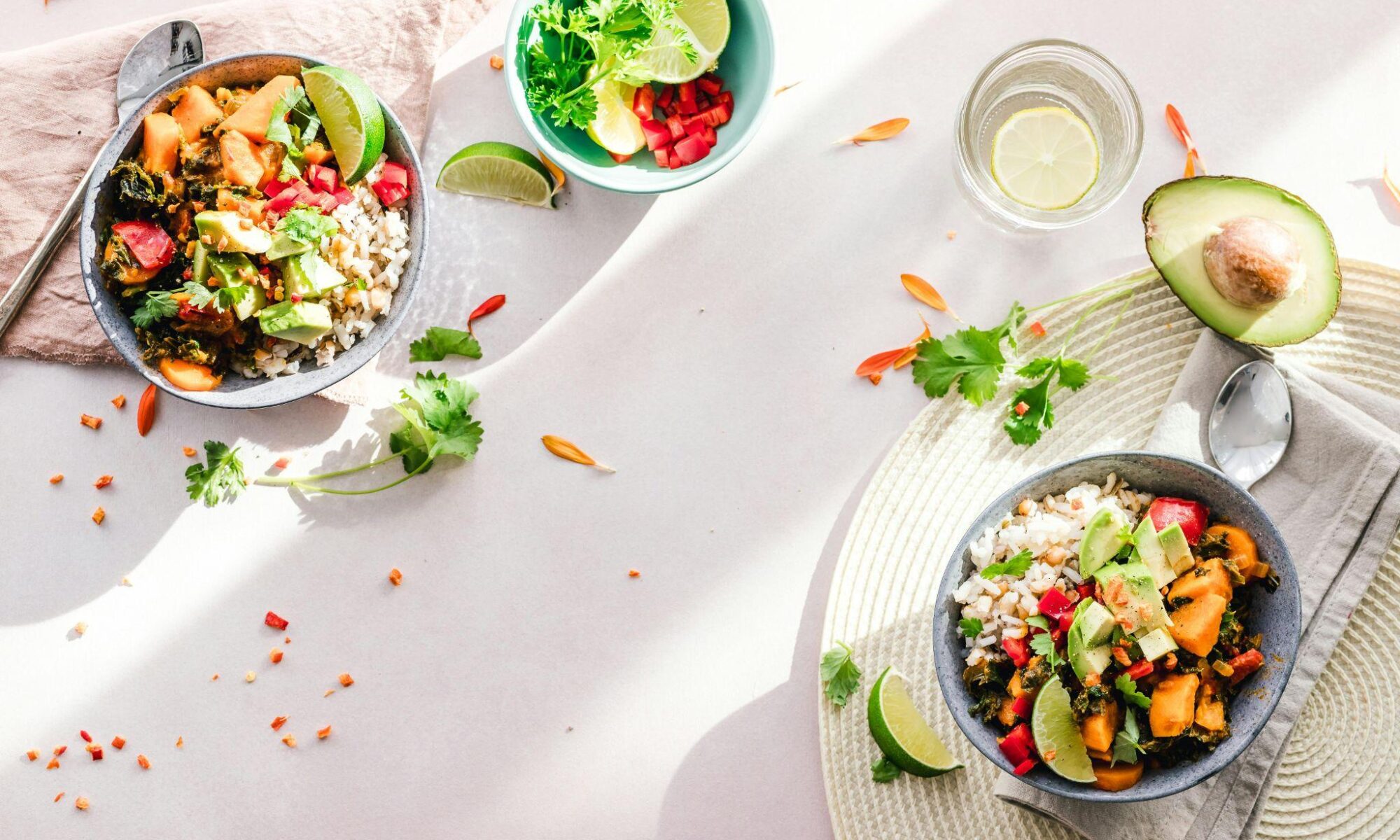
The gut’s got a lot more going on than just breaking down last night’s tacos. It’s like a secret control room, quietly influencing how you feel, handle stress, or even think. Over the past few years, researchers have been intrigued by this gut-brain connection, and it’s no wonder why—it’s a game-changer for both body and mind. This isn’t just about digestion anymore; it’s about unlocking a key piece of what makes someone feel like themselves.
What’s cool is how this link puts everyday choices in a new light. Stuff like what’s on the plate, how stress gets managed, or whether sleep’s a priority can either lift the mood or drag it down. Knowing how it all ties together feels like getting the inside scoop on a happier, healthier life.
The Gut-Brain Hotline
Imagine the gut and brain as best pals who are always texting and calling. They’re linked through what’s called the gut-brain axis—a fancy term for the constant back-and-forth. This setup uses the vagus nerve (think of it as the main phone line), immune system signals, and even chemicals that mess with mood. The gut’s health can straight-up change how the brain’s behaving, and the brain can throw shade back at the gut.
Here’s where it gets wild: the gut’s got its own network of neurons called the enteric nervous system. People call it the “second brain” because it can send signals without the brain’s say-so. Still, the two are always in sync, like a tag team. It’s mind-blowing to realize the gut’s got this much say over how someone’s feeling.
The Microbiome: Tiny Bugs, Big Impact
The gut’s home to a crew of bacteria, viruses, and fungi—trillions of them—called the microbiome. These aren’t just freeloaders; they’re working hard, helping digest food, grabbing nutrients, keeping the immune system sharp, and even whipping up chemicals that the brain needs.
Take serotonin, for example—the chemical tied to mood, sleep, and hunger. Around 90% of it gets made in the gut, thanks to some MVP bacteria. When the microbiome is in a good spot, it keeps the serotonin flowing, and moods tend to stay steady. But when things go haywire (a situation called dysbiosis), it’s like the factory shuts down, and anxiety or depression can creep in more easily. Keeping those gut bugs happy is a bigger deal than most people realize.
Inflammation: The Party Crasher
Another way the gut messes with mood is through inflammation. If the gut’s not doing great, it can get leaky—meaning tiny bits of bacteria or toxins slip into the bloodstream. That sets off alarms in the body, sparking inflammation that’s been linked to feeling low, foggy, or even straight-up depressed. This chronic irritation can mess with how brain chemicals talk to each other, screw up sleep, and make stress hit harder. It’s like the body’s stuck in a bad mood it can’t shake.
Food: The Gut’s VIP Guest List
What someone eats is like picking who gets into the gut’s exclusive club. A menu full of fiber, fermented foods, and good fats invites the cool bacteria to hang out. But loading up on processed snacks, sugary drinks, or fake sweeteners? That’s like letting the troublemakers take over, stirring up inflammation and throwing the microbiome off balance.
Here’s what gets the gut’s approval:
-
- Fiber-heavy hitters: Leafy greens, lentils, berries, or oats keep things moving.
- Fermented champs: Yogurt, kefir, sauerkraut, or kimchi bring probiotics to the party.
- Prebiotic snacks: Garlic, onions, bananas, or asparagus feed the good guys.
- Cutting back on sugars and refined carbs stops the bad bacteria from throwing a rager.
It’s not about being a food saint—just making choices that tip the scales toward the good stuff most days.
Stress: The Gut’s Frenemy
Stress and the gut have this love-hate thing going on. A grumpy gut can make someone feel on edge, but stress can also hit the gut hard, slowing digestion, causing bloating, or even kicking off issues like irritable bowel syndrome (IBS). It’s a feedback loop that can feel like a trap.
Simple habits like taking deep breaths, meditating for a few minutes, or even going for a walk can calm the nervous system and give the gut a break. Less stress means the microbiome is less likely to spiral, which is a win for both body and mind.
Easy Ways to Keep Gut and Mood on Point
The research is loud and clear: a healthier gut can make someone feel lighter and sharper. Here’s how to make it happen without overthinking it:
-
- Load up on a mix of whole foods—especially colorful plants.
- Chat with a doctor about probiotics if the gut needs a boost.
- Move around, whether it’s a gym session, a bike ride, or dancing like nobody’s watching.
- Drink water like it’s a job—digestion loves it.
- Go light on alcohol and antibiotics, which can tank the microbiome.
- Lock in solid sleep, because rest is a heavy hitter for gut and mental health.
Each of these is like a small deposit in the gut-mood bank, adding up over time.
One More Thing on Food and Mood
It’s worth doubling down on how food ties into this. Beyond just feeding the microbiome, eating well can feel like a mood-lifter on its own. Picture a colorful salad packed with greens, nuts, and maybe some grilled salmon—doesn’t that feel great? Compare that to scarfing down a bag of chips and soda, which might leave someone sluggish. Food’s not just fuel; it’s a signal to the gut and brain about how the day’s gonna go.
Wrapping It Up
The gut-mood connection is like a reminder that the body’s one big team. Taking care of the gut isn’t just about dodging a stomach ache—it’s about setting up for clearer thoughts, better energy, and a stronger bounce-back from life’s curveballs. As science keeps peeling back the layers, one thing’s crystal clear: giving the gut some TLC is one of the easiest, most natural ways to feel better from the inside out. Whether it’s swapping fries for a side of greens or taking a minute to breathe, it all counts—and it all adds up to a healthier, happier you.
Dr. Barbara R. Edwards is an experienced Penn Medicine Princeton Health internist who has been practicing medicine for over 25 years. She is also the academic director of the Ambulatory Residency Program at Penn Medicine Princeton Health.